The United Nations: How It Works and Why It Matters

Learn how The United Nations operates, from the Security Council to its global mission, and why it remains central to diplomacy and peacekeeping.

The United Nations is trying to hold together a world where 123.2 million people were forcibly displaced by the end of 2024 — roughly 1 in every 67 people on Earth — while a single veto from one of five permanent powers can still freeze action in its most powerful chamber.

That’s the contradiction at the heart of the UN, and it’s exactly why the organization keeps attracting both frustration and dependence. Built in 1945 by 51 states after a world war, it now includes 193 members, which sounds like global legitimacy — until you look at how much authority still sits inside a 15-member Security Council.
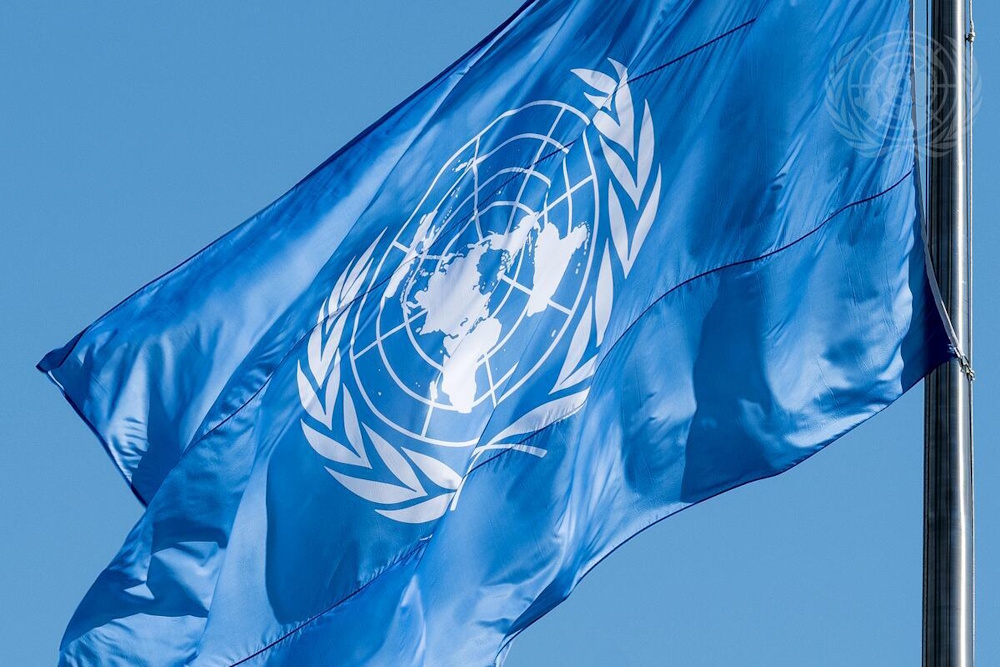
the UN

My view is simple: the UN makes people cynical because it looks slow, political, and compromised, but judging it only by speeches and deadlock misses the machinery that feeds, protects, and coordinates on a scale few institutions can match.

How the United Nations was formed

Fifty countries signed the UN Charter in San Francisco in 1945 because the previous global experiment had failed in the worst possible way: it didn’t stop another world war. The League of Nations collapsed when aggression had to be confronted, not just condemned, and that failure shaped The United Nations from the start. This wasn’t idealism dressed up as policy. It was a harder, more realistic attempt to build something that could survive great-power politics.

The United Nations was defined in June 1945 at the San Francisco Conference, where delegates negotiated the Charter that still sets its structure, powers, and limits.

When it took effect later that year, 51 states became original members.

By 2025, membership had reached 193, which matters because a body created by a relatively small postwar group became the closest thing the world has to a universal political forum.

The founding deal was practical, but far from equal. The United States, the United Kingdom, France, Russia, and China got permanent seats on the Security Council because the system would fail without the major victors of World War II inside it.

That made The United Nations more durable, in my view, but less democratic from day one. It was built to keep the peace, yet the strongest states kept the most control. That’s not a flaw added later. It’s the design.

What the United Nations actually does

The United Nations does far more than hold meetings. As of March 2024, nearly 95,000 personnel were serving in 11 peacekeeping missions, operating where ceasefires are weak and civilians are at risk.

But those missions only exist when the Security Council approves them, which is the catch: peacekeepers can monitor truces, protect civilians, support elections, and help enforce deals only when governments and major powers allow it.

Its humanitarian agencies do a different job entirely. UNICEF handles vaccines, nutrition, education, and child protection. The World Food Programme delivers food and cash when war or famine breaks supply chains.

The World Health Organization tracks outbreaks, issues health guidance, and helps countries respond when disease moves faster than politics. Treating them as one generic UN effort misses the point. They share a banner, not a function.

The scale is massive. In 2024, the United Nations coordinated humanitarian aid for 116 million people across 77 countries.

Refugee work sits inside that system too, as forced displacement reached 123.2 million people by the end of 2024 — about 1 in every 67 people on Earth. That number should stop you. It shows how much demand lands on a system that was never designed to control the crises causing it.

Public health shows both the reach and the limit of the UN. During Ebola and COVID-19, its agencies helped coordinate surveillance, logistics, medical guidance, and cross-border aid.

But here’s the hard truth: the United Nations can organize and scale a response, not command one. It still depends on member states for money, troops, access, and political permission.

How the Security Council holds power

One permanent member can kill action even when the rest of the chamber is ready to move. That’s the Security Council’s real power: concentrated authority, not consensus.

It has 15 members—5 permanent and 10 elected for two-year terms—and on substantive matters it can approve sanctions, peace operations, and military force. But Article 27 requires at least nine votes and no veto from a permanent member. One capital can stop the whole body.

That gives the council unmatched weight in war and peace. No other UN body can provide the same legal and political cover for coercive action. But there’s the catch: the institution with the most authority is also the easiest to freeze. That contradiction defines how The United Nations handles its hardest crises.

Syria made the weakness impossible to ignore. Years of bloodshed produced repeated draft resolutions, yet vetoes—mainly from Russia, sometimes with China—blocked stronger action on accountability, civilian protection, and cross-border aid at critical points. Ukraine made the flaw even clearer. When a permanent member is part of the conflict, the council’s credibility runs straight into its own rules.

The trend is getting worse, not better. In 2024, the council recorded eight vetoes on seven draft resolutions. Only 30 of 46 resolutions passed unanimously—65%, far below the 84% average from 2014 to 2023. The council still matters most when hard security is on the line. But its power is inseparable from the veto, and that same veto is what turns urgent crises into stalemate.

Why the UN gets criticized so often

One country can still stop everyone else, and that flaw sits at the center of The United Nations. The Security Council’s real power remains with five states from 1945, not the world you see now. That’s why India, Brazil, Germany, and Japan keep coming up in reform fights. When major powers are asked to accept decisions from a club they can’t fully join, legitimacy starts to break.

People expect The United Nations to act like a world government. It can’t. It passes resolutions, sends envoys, authorizes missions, and sets standards, but enforcement collapses when major powers split. In 2024, the Security Council saw 8 vetoes on 7 draft resolutions, which shows the basic truth: action depends less on urgency than on political agreement.

Nothing damages the UN more than failure under its own flag. Rwanda in 1994 and Srebrenica in 1995 still define the case against it because peacekeepers were present, warnings existed, and mass killing still happened. That shattered the myth that international presence means protection. A blue helmet carries moral weight, but without troops, mandate, and political backing, it doesn’t stop armed killers.

The funding gap is brutal. In 2024, 323.4 million people needed humanitarian aid, but only $21.2 billion of the $49.6 billion requested arrived — just 43%, meaning more than half the response went unfunded. So yes, The United Nations gets blamed. But critics miss the harder truth: states demand results, then withhold the money, unity, and authority needed to deliver them.

Why the United Nations still matters

The 1948 declaration still reaches far beyond New York. The Universal Declaration of Human Rights wasn’t a treaty, so it couldn’t force compliance on its own. But that’s exactly the point. In 30 articles, it set a shared baseline—from freedom from torture to the right to education—and that language shaped later treaties, constitutions, and court decisions. The United Nations matters here because it turned moral claims into standards governments now have to answer for.

The same thing happened in development. In 2015, all UN member states signed onto the 2030 Agenda and its 17 Sustainable Development Goals, tying poverty, health, education, climate, gender equality, and governance into one framework instead of treating them as separate problems. It doesn’t compel action. Good.

The United Nations is weakest when it tries to force outcomes and strongest when it sets targets countries can compare, defend, and build policy around. That’s less dramatic than military power, but often more durable.

Some of the UN’s best work happens where force would be useless. Election monitoring can steady disputed results. Refugee agencies register families and keep protection systems running when states can’t.

Relief offices coordinate governments, donors, and aid groups after wars, floods, and earthquakes so assistance reaches people faster and with less waste. You may not see headlines about that, but this is the practical side of The United Nations at its best.

Cynics miss the value of friction. A forum where rivals argue in public isn’t a side feature; it’s the mechanism. When nearly every country keeps showing up, trading accusations, negotiating language, and defending its record under shared rules, that process matters. It’s messy. But messy diplomacy is better than silence, and far better than leaving every dispute to raw power.

Conclusion

The United Nations matters most when you stop treating it like a world government and start seeing it for what it is: a messy bargain between sovereignty and survival. It can be blocked by vetoes, starved of cash, and blamed for failures it was never given the power to prevent. But 116 million people still received coordinated humanitarian assistance in 2024, and nearly 95,000 peacekeeping personnel were deployed across 11 missions. That’s not symbolism. That’s infrastructure for a fractured world. The real question isn’t whether the UN is flawed — it is — but whether you want global crises handled with a weak common system or with no common system at all. That choice gets harder, and more serious, every year.

Frequently Asked Questions

What does the United Nations actually do?

It helps countries work together on peace, human rights, aid, and global rules. That sounds broad because it is, but the real value is in giving countries a place to negotiate before problems turn into bigger ones. It doesn’t solve everything, and that’s the point people miss.

How does the UN make decisions?

Different parts of the UN make decisions in different ways, and that’s where a lot of the confusion comes from. The Security Council can pass binding resolutions, but veto power from the five permanent members can stop action fast. So yes, the system can move, but it can also stall hard.

Why is the UN Security Council so controversial?

Because five countries can block a resolution even when most of the world supports it. That gives the Council real power, but it also makes people question whether the system is fair. If you want speed and authority, it helps; if you want equal representation, it falls short.

Is the United Nations part of the world government?

No, and that misconception causes a lot of sloppy thinking. The UN can coordinate, persuade, and set standards, but it can’t force countries to obey like a global government would. Its power comes from agreement, not control.

Why does the United Nations matter if it can’t stop every conflict?

Because ‘perfect’ isn’t the standard here. The UN provides a channel for diplomacy, humanitarian aid, and international pressure when the alternative is silence or chaos. That matters even when the results are messy, because messy coordination is still better than none.
History of Toronto Facts: 4 Turning Points

Explore the history of Toronto facts, from Indigenous portage routes to York and cityhood, and learn the four turning points that shaped Toronto.

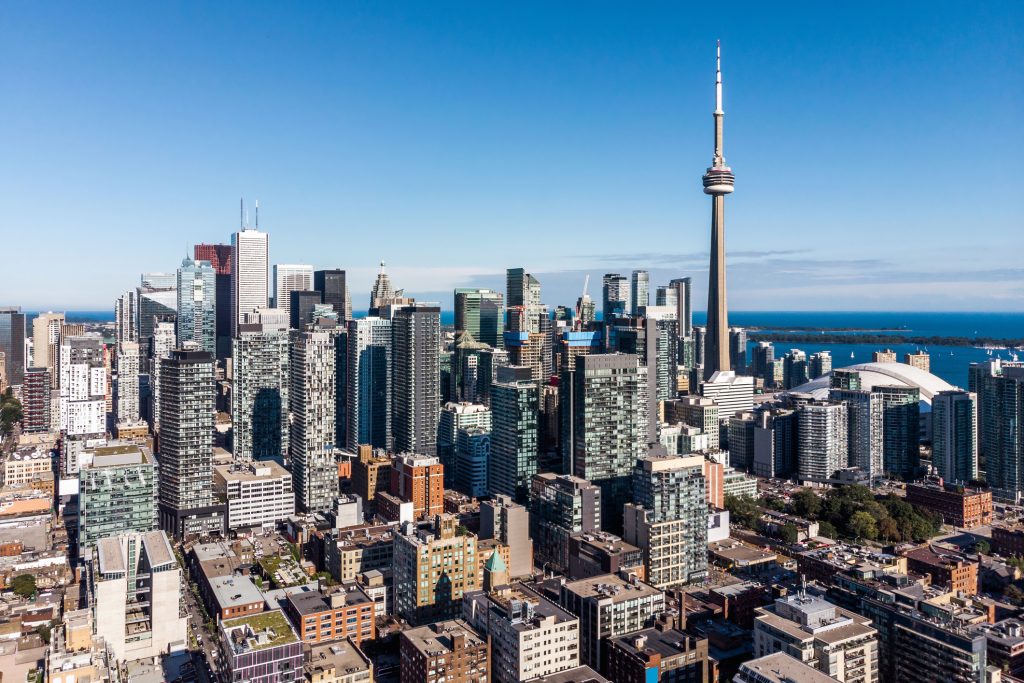
History of Toronto facts get a lot harder to ignore when you realize the city’s story didn’t start in 1834—it was already shaped by a 46-kilometre Indigenous portage route long before York existed. That single detail changes the frame.

Toronto wasn’t born from a blank slate or a British plan; it grew out of trade, movement, and geography that people had been using for generations, then kept reinventing itself through fire, rail, annexation, transit, and migration. By the time Toronto was incorporated on March 6, 1834, about 9,000 people already lived there. Today, the wider region has passed 7.1 million.

What matters isn’t just the size of that jump, but what drove it. These turning points show a city built as much by disruption as ambition… and that’s the part of Toronto’s past most people miss.

Toronto Before 1834: York, trade routes, and Indigenous roots

1793 is the neat civic date, but it misses the point. Long before York had a British name, this area was already mapped by Indigenous travel and trade through the Toronto Carrying Place and the Bay of Quinte–Lake Ontario corridor.

The Carrying Place ran about 46 kilometres from Lake Ontario to Lake Simcoe, and that distance mattered because it linked the lake to the interior centuries before colonial survey lines showed up.

French and British officials followed those routes; they didn’t invent them. Fort Rouillé, built in 1751 near today’s Exhibition Place, shows outsiders recognized the area’s value well before York was founded.

The real friction in early Toronto history is the land deal. The 1787 Toronto Purchase, later revised in 1805, was supposed to give the Crown control of a huge tract north of Lake Ontario, but the terms were disputed for generations over what was surrendered and whether the agreement was valid at all. That’s not a footnote. It defines the city’s origin.

Simcoe founded York in 1793 and made it the capital of Upper Canada. That mattered politically, but it wasn’t a clean beginning. York wasn’t built on empty land; it was laid over an older Indigenous geography that was already known, used, and claimed.

1834 to 1900: fires, railways, and rapid growth

Toronto became a city on March 6, 1834, with about 9,000 residents, and York was renamed Toronto that same day. That wasn’t cosmetic. It marked a town trying to become a serious commercial centre. The first city by-law, passed on May 10, focused on fire prevention, which tells you exactly what this stage of Toronto was about: rapid growth, wooden buildings, and constant risk.

That risk turned real in 1849. The Great Fire ripped through the St. Lawrence Market area and destroyed much of the young city core, but it also forced changes Toronto had delayed. Rebuilding meant more brick and stone, tougher fire rules, and a denser business district. What matters is the result: the city stopped looking like a frontier settlement.

Railways drove the next big shift. Lines like the Grand Trunk connected Toronto to Ontario communities and larger markets, turning it from a port town into a manufacturing and distribution centre.

That’s the real story. Rail didn’t just move goods; it pulled factories and warehouses toward the tracks and made Toronto far more important across the province.

By 1900, immigration, trade, and nonstop construction were pushing the city forward, but fire still exposed its weak points. The 1904 Great Fire began at 8:04 p.m. on April 19, and within 56 minutes every firefighter in the city was on scene.

More than 100 buildings were destroyed in the downtown warehouse district. The damage was severe, but the outcome was clear: tighter fire codes, stronger commercial buildings, and a downtown built for bigger business.

1900 to 1950: annexations, industry, and wartime pressure

From 1906 to 1912, Toronto grew fast through annexation. The Annex, Parkdale, Riverdale, and East Toronto were absorbed as the city tried to manage taxes, services, and infrastructure at a bigger scale. East Toronto alone added about 4,800 residents in 1908, which mattered far more then than it sounds now.

The sharper History of Toronto facts aren’t just about bigger borders, though. Annexation forced wealthy and working-class districts into one civic system, and that made Toronto harder to run, not easier.

Factories reshaped the city just as much. Industry spread along the waterfront and lower Don, where rail and shipping made mass production practical, and firms like Massey-Harris and Canada Packers became major employers. What people miss is how industrial Toronto really was: noisy, dirty, and defined by manufacturing, not offices. That created jobs at scale, but it also hardened class divisions into the city’s geography.

War accelerated that growth, then the 1930s showed its limits. In both world wars, factories shifted to military production and tied Toronto more tightly to national supply networks.

Then the Depression pushed unemployment and relief demand sharply upward. Toronto came out of this period stronger as a manufacturing centre, but also more unequal and more dependent on industries that wouldn’t hold forever.

1950 to today: subway lines, immigration, and the modern city

More than 200,000 people rode Toronto’s first subway on opening day in 1954, and that tells you how overdue the shift was.

The Yonge line didn’t just move commuters faster; it changed where people lived and worked, giving Toronto a dense urban spine that highways never matched.

That same year, Metropolitan Toronto formed, and the TTC service area jumped from 35 square miles to 240. That’s the postwar turning point that really matters in any list of facts.

Everything changed again after 1967, when Canada introduced its points-based immigration system. This was more than population growth. It remade Toronto block by block through food, business, religion, and politics.

Chinatown expanded as a commercial centre, Little India became one of the largest South Asian retail strips in North America, and Scarborough moved to the center of the city’s story, not the fringe.

By the 2021 Census, 46.6% of people in the Toronto CMA were immigrants and 57.0% identified as racialized. That’s not a side note. It’s modern Toronto.

The 1998 amalgamation redrew the map by merging Toronto, North York, Scarborough, Etobicoke, York, and East York into one city. It was supposed to simplify government, but it didn’t simplify identity. People still held tight to local loyalties, and that’s the tension that still shapes Toronto.

The scale now is unmistakable. The Toronto CMA reached 7,106,379 people on July 1, 2024, after adding 268,911 residents in a single year. That’s explosive growth, but the bigger point is what drove it: transit expansion, immigration, and political restructuring kept remaking the city.

Conclusion

Toronto facts make more sense when you stop treating the city as a straight line from York to glass towers. Toronto changed because pressure forced it to change: Indigenous trade routes set the logic of movement, fires exposed weakness, annexations stretched the map, and postwar transit and immigration remade what the city was for and who it belonged to. That’s the real pattern.

Growth wasn’t neat, and it wasn’t automatic. It came from decisions made under strain, then lived out by millions of people. With 46.6% of the CMA now foreign-born and the region topping 7.1 million residents, Toronto’s next turning point won’t look like its last one… but it will come from the same place: who gets connected, who gets included, and what the city builds before pressure makes the choice for it.

Frequently Asked Questions

When was Toronto first settled and what was it called before?

Toronto’s story starts long before it became a city. The area was home to Indigenous peoples for thousands of years, and the name Toronto likely comes from an Indigenous word tied to the region. The English settlement that grew there was first known as York, and that name stuck until 1834.

Why did York change its name to Toronto?

York changed its name in 1834 because residents wanted a stronger identity and less confusion with other places called York. Toronto sounded more distinct, and that mattered as the town grew into a major commercial center. The switch was practical, but it also marked a clean break from its colonial image.

What was the most important turning point in Toronto’s early history?

The 1834 incorporation of Toronto as a city is the big one. It gave the settlement a formal municipal government and helped set up the growth that followed. Without that move, Toronto would’ve stayed smaller and less organized for longer.

How did the Great Fire of 1904 affect Toronto?

The Great Fire of 1904 destroyed a large chunk of downtown, but it also forced the city to rebuild smarter and sturdier. That sounds harsh, and it was, but the fire pushed Toronto toward modern building standards and a denser commercial core. Damage like that can slow a city down for a while, yet it also strips away bad habits fast.

How did Toronto become such a major Canadian city?

Toronto grew by absorbing nearby communities, expanding transit, and becoming the country’s financial hub. Immigration also changed the city in a huge way, adding new languages, businesses, and neighborhoods. That mix mattered more than any single event, because Toronto didn’t become big by accident — it kept adapting when other places stalled.

Heart of the New West: 15 Key Facts About Calgary

Calgary is a dynamic city where cowboy heritage meets a gleaming, modern skyline. Nestled in the foothills of the Canadian Rockies, Alberta’s largest metropolis is defined by its rapid growth, entrepreneurial spirit, and deep connection to the breathtaking natural landscapes that surround it.

Here are 15 key facts bout Calgary that capture the essence of this vibrant Canadian city.

1. It Hosts the “Greatest Outdoor Show on Earth”

Every July, the city transforms for the Calgary Stampede. This massive ten-day event is part rodeo, part exhibition, and part festival. It draws over a million visitors annually and is so deeply ingrained in the local culture that businesses often close or significantly alter their hours so employees can participate in the festivities.

2. It Is the Sunniest City in Canada

Despite its reputation for long, snowy winters, Calgary is officially the sunniest major city in Canada. It enjoys an average of 333 sunny days and over 2,300 hours of sunshine per year, providing a bright, clear backdrop to the city no matter the season.

3. It Experiences the “Chinook” Phenomenon

Winters in Calgary are uniquely tempered by Chinooks—warm, dry winds that blow down the eastern slopes of the Rocky Mountains. A strong Chinook can raise the city’s temperature by over 20°C (36°F) in a matter of hours, rapidly melting snow and bringing brief periods of spring-like weather in the dead of winter.

4. It Has the World’s Most Extensive Skywalk System

To combat the cold winters, downtown Calgary is connected by the “Plus 15” network. Named because the walkways are elevated approximately 15 feet above street level, it is the world’s most extensive pedestrian skywalk system, featuring over 18 kilometers (11 miles) of climate-controlled, interconnected bridges between high-rise buildings.

5. It Put Canada on the Winter Olympics Map

In 1988, Calgary became the first Canadian city to host the Winter Olympic Games. The event was highly successful and left a lasting legacy. Facilities like the Canada Olympic Park (COP) and the Olympic Oval are still used today for world-class athletic training and public recreation.

6. It Is Consistently Ranked the World’s Cleanest City

Calgary frequently tops global lists for cleanliness. The city heavily invests in sanitation, water quality, and air purity, and imposes strict fines for littering. This civic pride results in noticeably pristine streets and a highly sustainable urban environment.

7. It Is the Birthplace of the Caesar Cocktail

Canada’s national cocktail, the Caesar, was invented in Calgary in 1969. Walter Chell, a restaurant manager at the Calgary Inn, created the savory drink—made with vodka, clamato juice, hot sauce, and Worcestershire sauce, served in a celery salt-rimmed glass—to celebrate the opening of a new Italian restaurant.

8. It Boasts a Massive Urban Park System

Nature is never far away in Calgary. It is home to Fish Creek Provincial Park, one of the largest urban parks in North America. Stretching over 19 kilometers across the southern part of the city, it offers extensive paved and unpaved trails for hiking, biking, and wildlife viewing.

9. It Is the Energy Capital of Canada

Calgary’s economy has historically been driven by the energy sector. The city houses the corporate headquarters of almost every major Canadian oil and gas company, making it the undeniable epicenter of the country’s energy industry and a major driver of national wealth.

10. It Sits at the Confluence of Two Rivers

The city was built around the meeting point of the Bow and Elbow rivers. This confluence has been a gathering place for Indigenous peoples for thousands of years and remains the geographic and historical heart of the city, marked today by the historic Fort Calgary site.

11. It Features Canada’s Largest Living History Museum

Heritage Park Historical Village spans 127 acres and is Canada’s largest living history museum. It meticulously recreates Western Canadian life from the 1860s to the 1930s, complete with costumed interpreters, working antique trains, and authentic historical buildings relocated from across the prairies.

12. It Has a Remarkably Young Population

Calgary boasts one of the youngest demographic profiles of any major city in Canada. The average age is around 38 years old, driven by a strong economy that consistently attracts young professionals, new graduates, and young families from across the country and around the globe.

13. Its Central Library is an Architectural Marvel

Opened in 2018, the Calgary Central Library in the East Village is a stunning piece of modern architecture. Designed by the Norwegian firm Snøhetta, its striking geometric facade and sweeping, light-filled cedar interior have won numerous global design awards, making it a beloved civic hub.

14. It Is a Global Hub for Equestrian Sports

Just south of the city limits lies Spruce Meadows, one of the world’s premier equestrian show jumping facilities. It hosts multiple internationally renowned tournaments throughout the year, drawing the top horses and riders from across the globe to compete for massive prize pools.

15. It Is the Ultimate Gateway to the Rockies

Perhaps Calgary’s greatest geographical asset is its proximity to the Canadian Rockies. The world-famous Banff National Park is less than a 90-minute drive from the city center, offering residents and visitors unparalleled access to world-class skiing, hiking, and breathtaking alpine scenery.

The Green City in the Sun: 15 Key Facts About Nairobi

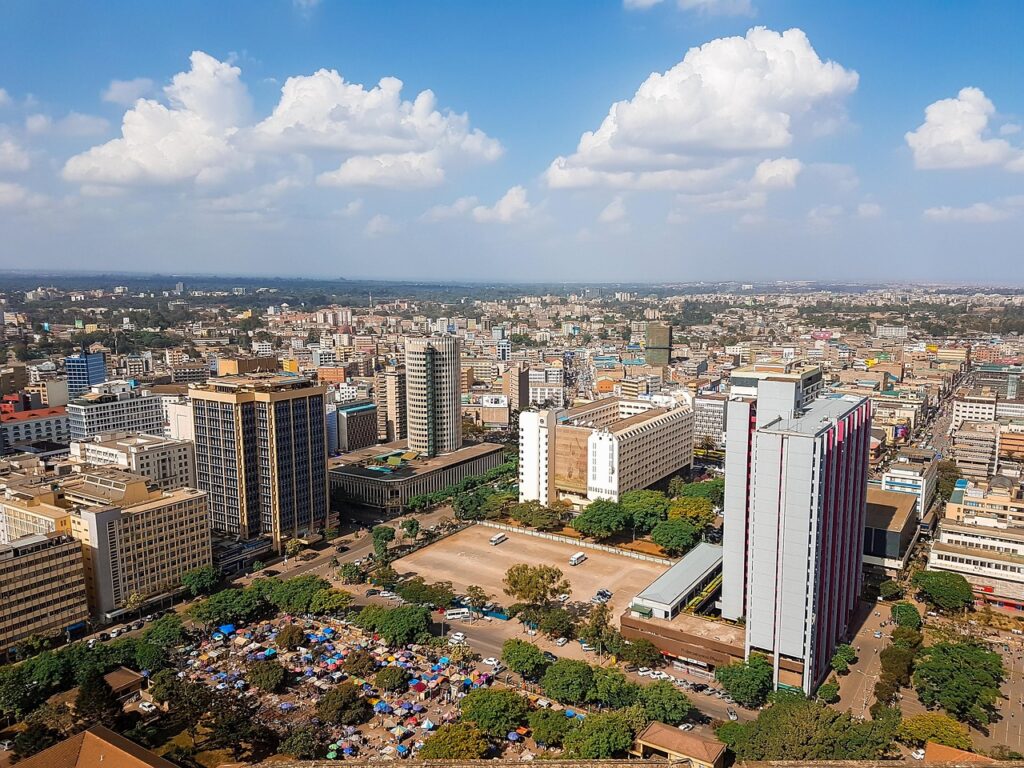
Nairobi is a city of incredible momentum and striking contrasts. From its unique position as a bustling tech and economic hub to its rich wildlife conservation efforts right within the city limits, Kenya’s capital is unlike any other metropolis on earth.

Here are 15 key facts about Nairobi that capture the essence of East Africa’s most dynamic city.

1. Its Name Means “Cool Water”

Nairobi derives its name from the Maasai phrase Enkare Nyrobi, which translates to “cool water.” This refers to the cold waters of the Nairobi River that flows through the area, which was once a vast, uninhabited grazing land and swamp before the city’s establishment.

2. It Was Born from a Railway Camp

Similar to Johannesburg’s rapid, resource-driven rise, Nairobi was founded quickly—but not for gold. It was established in 1899 as a simple, rustic supply depot and shunting yard for the Uganda Railway being built by the British colonial authorities.

3. It Replaced Mombasa as the Capital

Before Nairobi’s meteoric rise, the coastal city of Mombasa was the capital of the British East Africa Protectorate. By 1907, Nairobi had grown so significantly that the capital was relocated there, cementing its status long before Kenya gained independence in 1963.

4. It Is the “Green City in the Sun”

Despite its rapid urbanization and towering skyline, Nairobi is famous for its lush foliage, tree-lined streets, and abundant parklands. This commitment to blending urban life with nature earned it the enduring nickname, “The Green City in the Sun.”

5. It Is the Only City with a National Park on Its Doorstep

Nairobi holds the unique global distinction of having a national wildlife park within its borders. Nairobi National Park is just a short drive from the central business district, where you can photograph lions, rhinos, and giraffes with towering city skyscrapers as the backdrop.

6. It Is the “Silicon Savannah” of Africa

Nairobi is a massive technology and innovation hub. Its booming tech ecosystem, which pioneered world-leading mobile money systems like M-Pesa, has earned the city global recognition and the modern moniker “Silicon Savannah.”

7. It Hosts Major United Nations Headquarters

Nairobi is one of only four cities in the world (alongside New York, Geneva, and Vienna) to host a major United Nations headquarters. The United Nations Office at Nairobi (UNON) is the UN’s headquarters in Africa and serves as the global home for the UN Environment Programme (UNEP) and UN-Habitat.

8. It Has a Surprising High-Altitude Climate

Despite being located just a few degrees south of the equator, Nairobi does not have a sweltering tropical climate. Sitting at an altitude of approximately 1,795 meters (5,889 feet) above sea level, it enjoys a mild, temperate, and comfortable climate year-round.

9. Matatus Are a Moving Art Gallery

The city’s primary mode of public transportation, the matatu (minibus), is a cultural phenomenon. These vehicles are heavily customized with elaborate graffiti, neon lights, flat-screen TVs, and loud music, acting as a vibrant canvas for local artists and a reflection of urban pop culture.

10. It Is the Birthplace of “Sheng”

The linguistic diversity of Nairobi’s youth gave rise to Sheng, a dynamic urban slang that blends Swahili, English, and various indigenous Kenyan languages. What started in the city’s eastern neighborhoods has now become a mainstream cultural identifier across the country.

11. It Is a Sanctuary for Orphaned Elephants

Nairobi is home to the world-renowned David Sheldrick Wildlife Trust. This pioneering orphanage rescues, treats, and rehabilitates orphaned baby elephants and rhinos from all over Kenya, with the ultimate goal of successfully reintegrating them back into the wild.

12. It Houses One of Africa’s Largest Slums

Highlighting the city’s stark socioeconomic contrasts, Nairobi is home to Kibera, considered one of the largest urban slums in Africa. Despite the intense challenges, it is a bustling, highly resilient community full of micro-entrepreneurs, artists, and grassroots organizations.

13. You Can Hand-Feed a Giraffe Here

In the leafy, affluent suburb of Karen, you will find the Giraffe Centre, an important conservation sanctuary for the endangered Rothschild’s giraffe. Visitors can interact with and hand-feed these towering creatures from an elevated wooden platform.

14. It Has Strong Global Literary Ties

The suburb of Karen is named after Karen Blixen, the Danish author of the famous memoir Out of Africa. Her former farmhouse at the foot of the Ngong Hills has been beautifully preserved and now serves as a popular public museum.

15. It Is the Safari Capital of the World

Nairobi serves as the undisputed jumping-off point for East African wildlife tourism. Almost every major safari to legendary destinations like the Maasai Mara, Amboseli, or Tsavo begins or ends at Nairobi’s Jomo Kenyatta International Airport.

Nairobi is often linked with Johannesburg, so read these Johannesburg facts here.

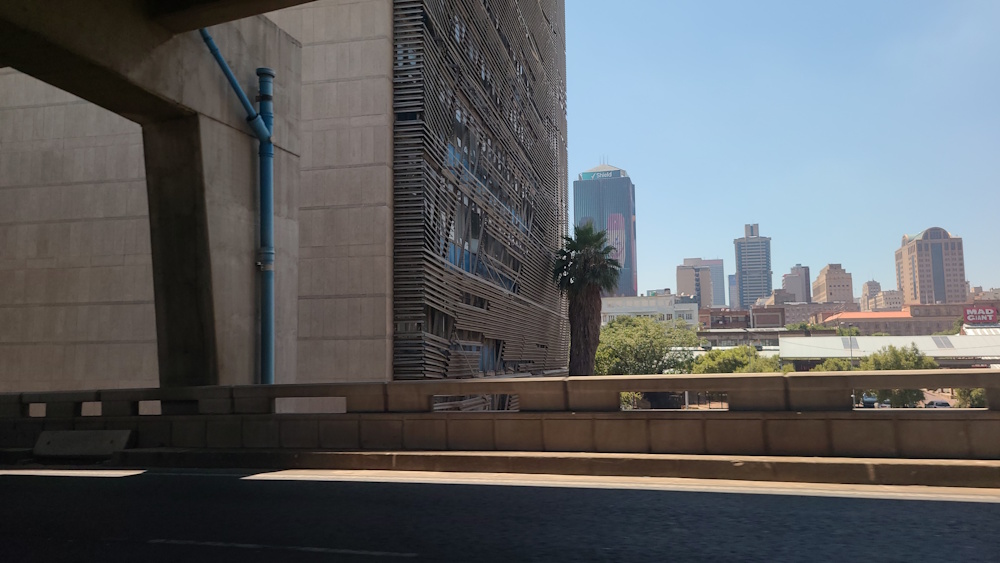
The City of Gold: 15 Key Facts About Johannesburg

Johannesburg, affectionately known as “Jozi,” “Joburg,” or “Egoli” (the City of Gold), is a vibrant, bustling metropolis that pulses with the energy of a continent. From its rapid birth during a historic gold rush to its current status as a cultural and economic powerhouse, Johannesburg is a city of incredible contrasts and profound history.

Here are 15 key facts about Johannesburg that tell the story of South Africa’s most dynamic city.

1. It Was Born from a Gold Rush

Johannesburg is a relatively young city, founded in 1886. Its establishment was entirely due to the discovery of a massive gold reef on a farm called Langlaagte. Almost overnight, a dusty settlement transformed into a booming prospector’s camp, pulling people from all over the world.

2. It Is South Africa’s Largest City (But Not the Capital)

Many people mistakenly believe Johannesburg is the capital of South Africa. While it is the largest city in the country by population and its economic heartbeat, South Africa actually has three capitals: Pretoria (executive), Cape Town (legislative), and Bloemfontein (judicial).

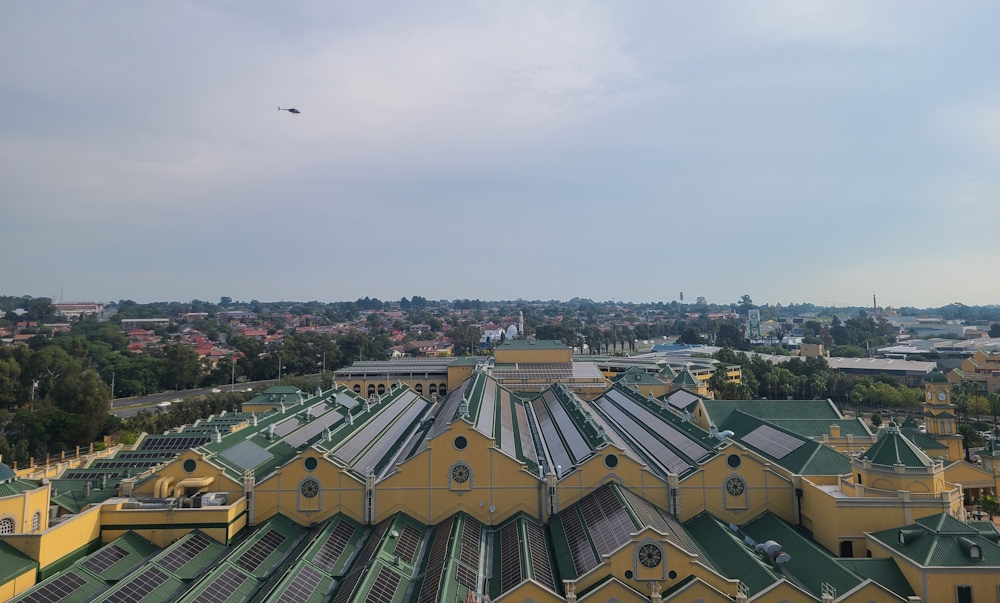
3. It Is One of the World’s Largest Man-Made Forests

When viewed from above, Johannesburg looks like a sprawling forest. There are an estimated 10 million trees planted throughout the city and its suburbs, making it one of the largest, heavily wooded man-made urban forests in the world. Originally, these trees were planted in the 19th century to provide wood for the mines.

4. It Is Not Built Near a Major Water Source

Unlike London, New York, or Cairo, Johannesburg is one of the few major cities in the world not situated on a coastline, a lake, or a major navigable river. Its existence is tied solely to the mineral wealth found deep underground.

5. It Houses the Largest Stock Exchange in Africa

Johannesburg is the undisputed financial capital of the continent. The Johannesburg Stock Exchange (JSE), located in the bustling business district of Sandton, is the largest and most influential stock exchange in Africa and ranks among the top 20 in the world.

6. Vilakazi Street’s Nobel Heritage

Located in the famous township of Soweto (South Western Townships), Vilakazi Street holds a unique global distinction. It is the only street in the world to have been home to two Nobel Peace Prize laureates: former President Nelson Mandela and Archbishop Emeritus Desmond Tutu.

7. It Sits at a High Altitude

Johannesburg is located on the eastern plateau area of South Africa known as the Highveld. Sitting at an elevation of about 1,753 meters (5,751 feet) above sea level, the air is thinner. This high altitude contributes to its mild climate, but it also means athletes often train here to improve their cardiovascular endurance.

8. The Cradle of Humankind is Next Door

Just a short drive northwest of the city lies the Cradle of Humankind, a UNESCO World Heritage site. This area is home to a complex of limestone caves, including the Sterkfontein Caves, where scientists have discovered some of the oldest hominid fossils in the world, dating back over 3 million years.

9. It Experiences Dramatic Summer Thunderstorms

If you visit Johannesburg in the summer, you will likely witness its legendary afternoon thunderstorms. The high-altitude heat causes massive cumulonimbus clouds to build up rapidly, resulting in spectacular, lightning-filled downpours that usually pass as quickly as they arrive.

10. The Apartheid Museum is a Global Landmark

To understand modern South Africa, one must understand its painful past. Johannesburg is home to the Apartheid Museum, an architectural masterpiece that provides a deeply moving, educational, and comprehensive look at the rise and fall of the apartheid system in the 20th century.

11. It Contains the Deepest Mines on Earth

The gold that built Johannesburg didn’t just sit on the surface. As surface deposits dried up, miners had to dig deeper. The region surrounding the city is home to the deepest gold mines in the world, such as the Mponeng Gold Mine, which plunges nearly 4 kilometers (2.5 miles) into the earth’s crust.

12. Constitution Hill Represents South Africa’s Transformation

Once a notorious prison complex that held political prisoners like Nelson Mandela, Mahatma Gandhi, and Albertina Sisulu, Constitution Hill has been transformed into the home of South Africa’s Constitutional Court. It stands as a powerful symbol of the country’s journey from oppression to a thriving democracy.

13. O.R. Tambo is Africa’s Busiest Airport

Johannesburg serves as the primary gateway to the African continent. O.R. Tambo International Airport handles millions of passengers every year, facilitating travel and trade across the globe and solidifying the city’s role as a major international transit hub.

14. A Hub of Astonishing Linguistic Diversity

South Africa boasts 12 official languages, and you can hear almost all of them on the streets of Johannesburg. While English is widely used in business, Zulu, Xhosa, Sotho, and Afrikaans are deeply woven into the daily fabric of the city, making it a true melting pot of African cultures.

15. The Inner City is Undergoing a Creative Renaissance

While the inner city faced periods of urban decay in the late 20th century, areas like the Maboneng Precinct and Braamfontein have experienced a massive cultural revival. Today, they are vibrant hubs filled with street art, independent galleries, coffee shops, and rooftop markets, showcasing the resilience and creativity of Johannesburg’s youth.

Interesting in read more city facts? Check out these facts about Ottawa here.

200 Years of Ottawa: From Bytown to Capital

This year, 2026, marks a historic milestone for Canada’s capital. Exactly two centuries ago, a rough-and-tumble work camp was established on the banks of the Ottawa River. It was a place of mud, malaria, and lumberjacks, created for a single purpose: to build a canal.

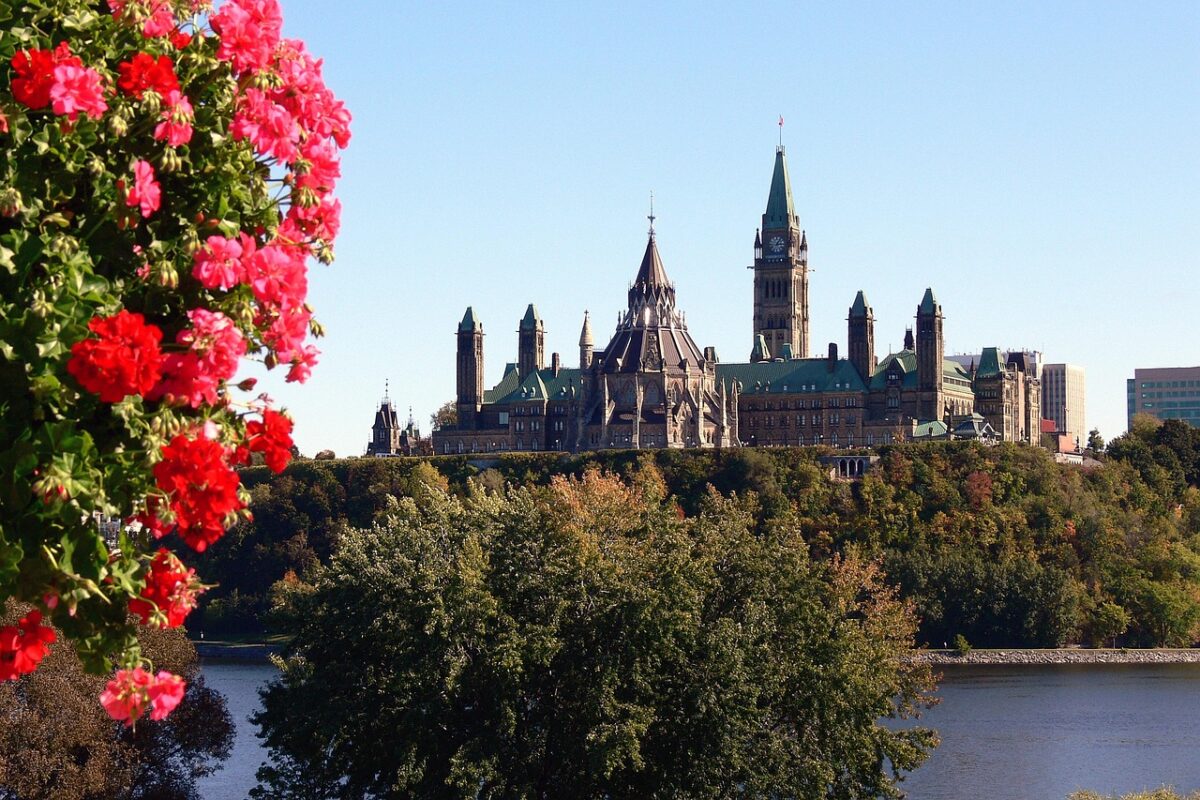
Today, that settlement is a G7 capital, a tech hub known as “Silicon Valley North,” and a city celebrated for its tulips and architecture.

As we celebrate the 200th Anniversary of Ottawa, let’s look back at the incredible journey from the lawless days of “Bytown” to the modern metropolis of today.

Ottawa: At A Glance

Feature Details
Founded September 26, 1826 (as Bytown)
Renamed Ottawa 1855
Current Age 200 Years (in 2026)
Founder Lt. Col. John By
Famous Landmark Parliament Hill, Rideau Canal

1. The Beginning: Colonel By and the Canal (1826)

The story begins not with a politician, but with a soldier. Following the War of 1812, the British feared that the Americans would invade again and block the St. Lawrence River (the main supply route). They needed a “back door” supply line.

In 1826, Lieutenant Colonel John By of the Royal Engineers arrived to build a massive waterway connecting the Ottawa River to Lake Ontario. He set up his headquarters at the entrance of the canal. The settlement that sprang up around him was named Bytown.

2. The Wildest Town in North America

Before it was a staid government town, Bytown was arguably the most dangerous place in North America. In the 1830s, it was the setting of the Shiners’ War—years of violent street fighting between rival Irish timber raftsmen and French-Canadian lumberjacks. Alcohol flowed freely, and the law was virtually non-existent. It was a far cry from the polite city we know today!

3. Becoming “Ottawa” (1855)

As the canal was completed and the timber trade boomed, the town grew up. In 1855, Bytown was incorporated as a city and renamed Ottawa. The name comes from the Algonquin word adawe, meaning “to trade.” This name change was a crucial step in shedding its rough reputation to become a respectable city.

4. The Queen’s Surprise Choice (1857)

One of the most famous facts about Ottawa is how it became the capital. In 1857, Queen Victoria was asked to choose a permanent capital for the Province of Canada. Everyone expected her to pick an established city like Toronto, Montreal, or Kingston.

Instead, she chose Ottawa. Why?

  1. Defense: It was located far from the American border (unlike Kingston/Montreal), making it harder to attack.

  2. Compromise: It sat right on the border of English Ontario and French Quebec, making it a political middle ground.

5. The Great Fire of 1900

On April 26, 1900, a chimney fire in Hull (across the river) spread rapidly due to high winds. The fire jumped the river and devastated Ottawa. It destroyed nearly 20% of the city, leaving 14,000 people homeless. However, it also paved the way for modern urban planning, reshaping the industrial zones into the residential neighborhoods seen today.

6. The Greber Plan & The Greenbelt

In the mid-20th century, Prime Minister Mackenzie King hired French planner Jacques Gréber to beautify the city. This led to the removal of industrial rail lines from the downtown core and the creation of the Greenbelt—a massive ring of protected forest and farmland that still encircles the city today, preventing urban sprawl.

7. 2026: The Bicentennial City

Today, 200 years later, Ottawa is unrecognizable from Colonel By’s camp.

  • A UNESCO Treasure: The Rideau Canal, once a military project, is now a UNESCO World Heritage Site and the world’s largest skating rink in winter.

  • Tech Hub: It boasts the highest concentration of scientists and engineers in Canada.

  • Bilingual Heart: It remains the symbolic bridge between English and French Canada.


Frequently Asked Questions (FAQ)

Q: Is the Rideau Canal really 200 years old?

Construction began in 1826 (marking the founding of the city) and finished in 1832. So, the project that started the city is 200 years old this year.

Q: Who was the first Mayor?

John Scott became the first mayor of Bytown in 1847. However, the most famous historical figure remains Colonel John By, whose statue stands in Major’s Hill Park looking over his creation.

Q: Why are there so many tulips in Ottawa?

While not from 1826, this is a key part of history. In 1945, the Dutch Royal Family sent 100,000 tulip bulbs to Ottawa to thank Canada for sheltering Princess Juliana during WWII and for liberating the Netherlands. The tradition continues today with the Canadian Tulip Festival.


Conclusion

From a muddy construction camp in the wilderness to a G7 capital celebrating its 200th birthday, Ottawa’s story is one of resilience and transformation. As we look back at 1826, we see the foundations of a city that was built by grit, defined by geography, and chosen by a Queen.

Happy 200th Anniversary, Ottawa!

15 Fascinating Facts About Canada (The Ultimate Guide)

When you think of Canada, you might picture snow, hockey, and polite people saying “sorry.” And while those stereotypes are true, the “Great White North” is far more interesting than just its postcards.

Canada is a land of massive scale. It is the second-largest country on Earth, home to the longest coastline in the world, and contains more lakes than every other country combined. It is also the only place where you can send a letter to Santa Claus and get a guaranteed reply.

From the Rocky Mountains of British Columbia to the red sands of Prince Edward Island, here are the most interesting facts about Canada.

Canada: At A Glance

Feature Details
Capital City Ottawa
Population ~41.5 Million (2026 est.)
Currency Canadian Dollar (CAD)
Official Languages English, French
Known For Maple Syrup, Nature, Ice Hockey

Historical Facts About Canada

1. The Flag is Relatively New

The iconic red and white flag with the maple leaf is famous worldwide, but it is actually younger than Brad Pitt. Canada didn’t adopt its own official flag until February 15, 1965. Before that, the country used the British “Red Ensign.”

2. It Has Two National Sports

Most people assume Ice Hockey is the only national sport. However, Canada actually has two: Ice Hockey is the official winter sport, while Lacrosse is the official summer sport.

3. Santa Claus is Canadian

In 2008, the Minister of Citizenship and Immigration officially declared that Santa Claus is a Canadian citizen. In fact, Canada Post has given Santa his own special postal code: H0H 0H0. Every year, volunteers answer millions of letters sent to this address in over 30 languages.


Geography & Nature

4. The Longest Coastline in the World

Canada is massive. It has the longest coastline of any country, measuring 243,042 kilometers (151,019 miles). To put that in perspective, if you walked 20 km a day along the coast, it would take you roughly 33 years to finish the walk.

5. More Lakes Than the Rest of the World

If you love water, this is the place to be. Canada has an estimated 2 million lakes, with 563 of them being larger than 100 square kilometers. It holds about 20% of the world’s freshwater supply.

6. Lowest Gravity on Earth?

Parts of the Hudson Bay region have slightly less gravity than the rest of the world. This phenomenon was a mystery for decades until scientists discovered it was caused by the Laurentide Ice Sheet, which was so heavy during the last Ice Age that it squashed the Earth down, and the land is still slowly rebounding today.


Cultural & Social Facts

7. The “Apology Act”

Canadians are famous for apologizing. It became such a habit that in 2009, Ontario passed the Apology Act. This law states that saying “sorry” at the scene of an accident is an expression of sympathy, not an admission of legal guilt.

8. The Mac & Cheese Obsession

Canadians eat more Kraft Dinner (Macaroni & Cheese) per capita than anyone else in the world—about 55% more than Americans. It is often jokingly referred to as the de facto “National Dish.”

9. 80% of the World’s Maple Syrup

Quebec is the global powerhouse of maple syrup, producing roughly 70-80% of the world’s supply. They even maintain a “Global Strategic Maple Syrup Reserve” (storing millions of pounds in barrels) to ensure the world never runs out in a bad harvest year.

10. “Eh” is in the Dictionary

The stereotype is real. The interjection “eh” is listed in the Canadian Oxford Dictionary as a valid word used to ascertain understanding, request repetition, or express surprise.


Tourism & Travel Tips

11. The Trans-Canada Highway

One of the longest national highways in the world, the Trans-Canada Highway stretches 7,821 km (4,860 miles) from Victoria, BC, to St. John’s, NL. It passes through all ten provinces and is the ultimate road trip experience.

12. Bagged Milk

If you visit Ontario or Quebec, don’t be alarmed if you can’t find milk cartons. In Eastern Canada, milk is sold in 4-liter bags (which contain three smaller bags inside). You put the bag in a plastic pitcher, snip the corner, and pour.

13. Churchill: The Polar Bear Capital

The town of Churchill in Manitoba is known as the “Polar Bear Capital of the World.” Residents leave their car doors unlocked so that if someone encounters a polar bear on the street, they can quickly duck into a car for safety.

14. A Cold Capital City

The Capital city of Canada is Ottawa, which is one of the coldest capital cities in the world. During the winter months, temperatures can reach as low as -29 degrees below 0. Then add the windchill and it feels like… -37!


Frequently Asked Questions (FAQ)

Q: Is Canada always cold?

No. While winters can be harsh (-30°C is common in the Prairies), summers in places like Southern Ontario and British Columbia can easily reach 30°C to 35°C (86°F – 95°F).

Q: Do I need to speak French to visit?

No. English is the primary language in most provinces. However, in Quebec, French is the official language. While most people in tourist areas of Montreal speak English, learning a simple Bonjour (Hello) goes a long way.

Q: What is a “Loonie”?

A “Loonie” is the Canadian one-dollar coin (named after the loon bird on the back). The two-dollar coin is affectionately called a “Toonie.”


Conclusion

Canada is a country that defies expectations. It is a place where modern cities meet untouched wilderness, where “sorry” is a reflex, and where the police force (the Mounties) is a worldwide symbol of friendliness.

Know a fun fact about Canada we missed? Let us know in the comments below!

15 Fascinating Facts About Botswana (The Ultimate Guide)

When people think of an African safari, they often picture the open plains of Kenya or Tanzania. But for true wildlife connoisseurs, the real jewel of the continent is Botswana.

This landlocked nation is a place of extremes: a country where rivers flow into a desert instead of the sea, and where diamonds literally pave the way for free education. It is also home to the oldest continuous democracy in Africa.

From the elephant-packed Chobe River to the moon-like salt pans of the Makgadikgadi, here are the most interesting facts about Botswana.

Botswana: At A Glance

Feature Details
Capital City Gaborone
Population ~2.7 Million (2025 est.)
Currency Pula (BWP)
Official Languages English, Setswana
Known For Diamonds, Okavango Delta, Elephants

Historical Facts About Botswana

1. Africa’s Oldest Continuous Democracy

Since gaining independence from Britain in 1966, Botswana has held regular, free, and fair elections without interruption. While many neighbors struggled with coups or dictatorships, Botswana maintained stability, earning it the nickname “The Gem of Africa.”

2. From Poorest to Richest

At independence in 1966, Botswana was arguably the poorest country in the world, with only 12 kilometers of paved road and 22 college graduates. Today, thanks to the discovery of diamonds and smart governance, it is an Upper-Middle-Income nation with one of the highest standards of living in Africa.

3. The World’s Shortest Border

Botswana shares a border with Zambia that is widely considered the shortest international border in the world. Located at the confluence of the Chobe and Zambezi rivers, the strip touches for only about 150 meters (490 feet). It is crossed by the massive Kazungula Bridge.


Geography & Nature

4. Home to the Most Elephants on Earth

If you like elephants, this is your paradise. Botswana has the highest concentration of African elephants on the planet—estimated at over 130,000. That is roughly one-third of Africa’s total elephant population. In Chobe National Park, you can sometimes see hundreds of them swimming across the river at sunset.

5. A River That Never Reaches the Sea

The Okavango Delta is a geographical anomaly. It is the world’s largest inland delta. The Okavango River flows from Angola and dumps its water directly into the Kalahari Desert, where it fans out and evaporates. This creates a lush, animal-filled oasis in the middle of a desert that can be seen from space.

6. The “Super Lake” Salt Pans

The Makgadikgadi Pans are some of the largest salt flats in the world. Thousands of years ago, this was a massive super-lake larger than Switzerland. Today, it is a stark, white, moon-like landscape. It is so flat that you can see the curvature of the Earth.

7. The Secret Zebra Migration

While the Great Migration in East Africa gets all the press, Botswana hosts the second-largest zebra migration in the world. Thousands of zebras travel over 500km between the Okavango Delta and the Makgadikgadi Pans in search of fresh grass.


Cultural & Social Facts

8. “Rain” is Money

In a country covered largely by the Kalahari Desert, rain is more precious than gold. The national currency is called the Pula, which literally translates to “Rain” in Setswana. The word “Pula” is also the national motto and is shouted as a toast or blessing at events.

9. Home of the First People

Botswana is the ancestral home of the San people (often called Bushmen). DNA studies suggest that the San are the oldest continuous genetic line of humans on Earth, having lived in Southern Africa for at least 20,000 years.

10. Cows Are Status Symbols

Despite modernization, cattle remain a huge part of Botswana’s culture and status. A man’s wealth was traditionally measured by the size of his herd. Today, high-quality Botswana beef is a major export, rivaling diamonds in importance to rural communities.


Tourism & Travel Tips

11. High Value, Low Volume

Botswana deliberately avoids mass tourism. The government pursues a “High Value, Low Volume” model. This means safaris here are often more expensive than in other countries, but the parks are uncrowded, pristine, and exclusive.

12. The No-Fence Policy

Unlike many other countries that fence off their national parks, Botswana keeps its parks largely unfenced. This allows animals to migrate naturally. However, it also means that if you stay at a safari lodge, an elephant or hippo might walk right past your bedroom window!

13. The Safest Country in Africa?

Botswana is consistently ranked as one of the safest countries in Africa for travelers. The crime rate is low, and the locals are known for being peaceful and welcoming (often referring to themselves as Batswana).


Frequently Asked Questions (FAQ)

Q: What is the best time to visit Botswana?

The best time for game viewing is the Dry Season (May to October). Because water is scarce, animals congregate around the remaining waterholes, making them easy to spot.

Q: Is Botswana expensive?

Yes, generally. Because of the “low volume” tourism policy, budget accommodation inside the parks is rare. However, self-drive camping is a popular and affordable alternative for adventurous travelers.

Q: Do I need malaria pills?

Yes. The northern parts of Botswana (including Chobe and the Okavango Delta) are malaria risk zones, especially during the rainy season.


Conclusion

Botswana is a success story in every sense of the word. It managed to turn its diamond riches into development and its natural wonders into a sanctuary for the world’s most endangered wildlife. It is a place where modern democracy meets ancient tradition—and where “Rain” is the most valuable currency of all.

Know a fun fact about Botswana we missed? Let us know in the comments below!

15 Fascinating Facts About Thailand (The Ultimate Guide)

Thailand is one of the most visited countries on Earth, famous for its golden temples, turquoise islands, and world-class street food. But beyond the beaches of Phuket and the bustle of Bangkok lies a country with a history and culture unlike any other in Southeast Asia.

Did you know that Thailand is the only nation in the region to escape European colonization? Or that its capital city has the longest name in the world?

Whether you are planning a trip to the “Land of Smiles” or just curious about this tropical kingdom, here are the most interesting facts about Thailand.

Thailand: At A Glance

Feature Details
Capital City Bangkok (Krung Thep Maha Nakhon)
Population ~71.6 Million (2025 est.)
Currency Thai Baht (THB)
Official Language Thai
Known For Buddhism, Street Food, Beaches, Muay Thai

Historical Facts About Thailand

1. It Was Never Colonized

Thailand is the only country in Southeast Asia that was never colonized by a European power. While its neighbors (Vietnam, Laos, Cambodia, Myanmar, and Malaysia) were controlled by the French or British, Thailand maintained its independence through clever diplomacy by its Kings. This is a huge point of national pride; in fact, the name “Thailand” (Prathet Thai) translates to “Land of the Free.”

2. It Used to Be Called “Siam”

Until 1939, the country was officially known as Siam. The name was changed to Thailand to reflect a modern, nationalistic identity. It briefly reverted to Siam from 1945 to 1949, but has been Thailand ever since. (And yes, this is where the term “Siamese Twins” and “Siamese Cats” originated!).

3. Bangkok Has the World’s Longest Name

We know it as Bangkok, but locals call it Krung Thep. However, its official ceremonial name is listed in the Guinness World Records as the longest place name in the world (168 letters):

Krung Thep Mahanakhon Amon Rattanakosin Mahinthara Ayuthaya Mahadilok Phop Noppharat Ratchathani Burirom Udomratchaniwet Mahasathan Amon Piman Awatan Sathit Sakkathattiya Witsanukam Prasit.

Roughly translated, it means “The City of Angels, the Great City of Immortals, the Magnificent City of the Nine Gems…”


Geography & Nature

4. Home to the Smallest Mammal & Largest Fish

Thailand is a biodiversity hotspot. It is home to the world’s smallest mammal, the Bumblebee Bat (found in caves in western Thailand), which weighs only 2 grams. Conversely, its waters are one of the best places on earth to spot the Whale Shark, the largest fish in the ocean.

5. It Has Over 1,400 Islands

While Phuket and Koh Samui are the most famous, Thailand boasts approximately 1,430 islands in total. Many of these are part of protected marine parks, offering some of the best diving and snorkeling in the world.

6. It Exports the Most Orchids

Thailand is the world’s #1 exporter of orchids. The flower is a national symbol, and you will see them everywhere—from taxi dashboards to hotel pillows. Around 45% of the country’s orchids are exported, making it a multi-million dollar industry.


Cultural & Social Facts

7. The Head is Sacred, The Feet are Dirty

In Thai culture, the head is considered the most sacred part of the body, containing the spirit. You should never touch a Thai person on the head (even children). Conversely, feet are considered the lowest and dirtiest part of the body. Pointing your feet at someone—or especially at a Buddha statue—is extremely rude.

8. The “Wai” Greeting

Thais do not typically shake hands. Instead, they use the Wai—a slight bow with palms pressed together in a prayer-like fashion. The higher your hands are placed relative to your face, the more respect you are showing.

9. There is a Festival for Monkeys

Every year in Lopburi province, locals hold the Monkey Buffet Festival. They set out tons of fruits, vegetables, and sticky rice for the thousands of macaques that live in the ancient temple ruins. It is done to bring good luck and thank the monkeys for attracting tourists.

10. It Is Illegal to Step on Money

Because the Thai King’s image is printed on all currency (coins and notes), stepping on money is seen as stepping on the King’s face. This is a serious offense and can technically lead to jail time under Lese Majeste laws.


Tourism & Travel Tips

11. Bangkok is the World’s Most Visited City

For several years running, Bangkok has topped the Mastercard Global Destination Cities Index, often beating out Paris and London with over 22 million international visitors annually.

12. The “Tuk-Tuk” Origin

The iconic three-wheeled auto-rickshaw is named after the sound its small 2-stroke engine makes: “tuk-tuk-tuk-tuk.” While fun for a short ride, they are often more expensive than metered taxis for tourists!

13. Alcohol Sales Are Restricted

You cannot buy alcohol in Thailand whenever you want. Convenience stores (like 7-Eleven) only sell alcohol between 11:00 AM – 2:00 PM and 5:00 PM – Midnight. It is also completely banned on religious holidays and election days.


Frequently Asked Questions (FAQ)

Q: Is Thailand safe for tourists?

Yes, Thailand is generally very safe for tourists. Violent crime against foreigners is rare. However, scams (like the “Grand Palace is closed” scam) and traffic accidents are common risks.

Q: What is the best time to visit Thailand?

The best time to visit is during the Cool Season (November to February), when temperatures are comfortable and rain is minimal.

Q: Do I need a visa?

Many nationalities (including US, UK, Canada, and EU citizens) get a Visa Exemption on arrival for up to 60 days (checked 2025). However, rules change, so always check with the Thai embassy before flying.


Conclusion

From its complex history as the Kingdom of Siam to its modern status as a travel superpower, Thailand is a country of endless fascination. Whether you are there for the temples, the tigers, or the Pad Thai, you are sure to leave with a story to tell.

Know a fun fact about Thailand we missed? Let us know in the comments below!