History of Toronto facts get a lot harder to ignore when you realize the city’s story didn’t start in 1834—it was already shaped by a 46-kilometre Indigenous portage route long before York existed. That single detail changes the frame.
Toronto wasn’t born from a blank slate or a British plan; it grew out of trade, movement, and geography that people had been using for generations, then kept reinventing itself through fire, rail, annexation, transit, and migration. By the time Toronto was incorporated on March 6, 1834, about 9,000 people already lived there. Today, the wider region has passed 7.1 million.
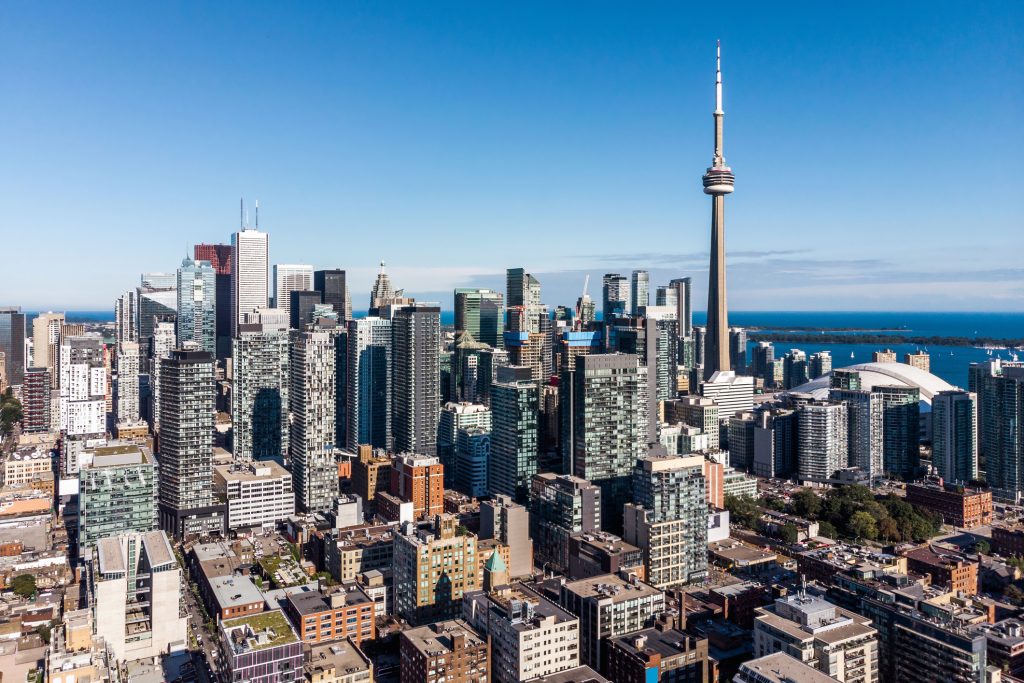
What matters isn’t just the size of that jump, but what drove it. These turning points show a city built as much by disruption as ambition… and that’s the part of Toronto’s past most people miss.
Toronto Before 1834: York, trade routes, and Indigenous roots
1793 is the neat civic date, but it misses the point. Long before York had a British name, this area was already mapped by Indigenous travel and trade through the Toronto Carrying Place and the Bay of Quinte–Lake Ontario corridor.
The Carrying Place ran about 46 kilometres from Lake Ontario to Lake Simcoe, and that distance mattered because it linked the lake to the interior centuries before colonial survey lines showed up.
French and British officials followed those routes; they didn’t invent them. Fort Rouillé, built in 1751 near today’s Exhibition Place, shows outsiders recognized the area’s value well before York was founded.
The real friction in early Toronto history is the land deal. The 1787 Toronto Purchase, later revised in 1805, was supposed to give the Crown control of a huge tract north of Lake Ontario, but the terms were disputed for generations over what was surrendered and whether the agreement was valid at all. That’s not a footnote. It defines the city’s origin.
Simcoe founded York in 1793 and made it the capital of Upper Canada. That mattered politically, but it wasn’t a clean beginning. York wasn’t built on empty land; it was laid over an older Indigenous geography that was already known, used, and claimed.
1834 to 1900: fires, railways, and rapid growth
Toronto became a city on March 6, 1834, with about 9,000 residents, and York was renamed Toronto that same day. That wasn’t cosmetic. It marked a town trying to become a serious commercial centre. The first city by-law, passed on May 10, focused on fire prevention, which tells you exactly what this stage of Toronto was about: rapid growth, wooden buildings, and constant risk.
That risk turned real in 1849. The Great Fire ripped through the St. Lawrence Market area and destroyed much of the young city core, but it also forced changes Toronto had delayed. Rebuilding meant more brick and stone, tougher fire rules, and a denser business district. What matters is the result: the city stopped looking like a frontier settlement.
Railways drove the next big shift. Lines like the Grand Trunk connected Toronto to Ontario communities and larger markets, turning it from a port town into a manufacturing and distribution centre.
That’s the real story. Rail didn’t just move goods; it pulled factories and warehouses toward the tracks and made Toronto far more important across the province.
By 1900, immigration, trade, and nonstop construction were pushing the city forward, but fire still exposed its weak points. The 1904 Great Fire began at 8:04 p.m. on April 19, and within 56 minutes every firefighter in the city was on scene.
More than 100 buildings were destroyed in the downtown warehouse district. The damage was severe, but the outcome was clear: tighter fire codes, stronger commercial buildings, and a downtown built for bigger business.
1900 to 1950: annexations, industry, and wartime pressure
From 1906 to 1912, Toronto grew fast through annexation. The Annex, Parkdale, Riverdale, and East Toronto were absorbed as the city tried to manage taxes, services, and infrastructure at a bigger scale. East Toronto alone added about 4,800 residents in 1908, which mattered far more then than it sounds now.
The sharper History of Toronto facts aren’t just about bigger borders, though. Annexation forced wealthy and working-class districts into one civic system, and that made Toronto harder to run, not easier.
Factories reshaped the city just as much. Industry spread along the waterfront and lower Don, where rail and shipping made mass production practical, and firms like Massey-Harris and Canada Packers became major employers. What people miss is how industrial Toronto really was: noisy, dirty, and defined by manufacturing, not offices. That created jobs at scale, but it also hardened class divisions into the city’s geography.
War accelerated that growth, then the 1930s showed its limits. In both world wars, factories shifted to military production and tied Toronto more tightly to national supply networks.
Then the Depression pushed unemployment and relief demand sharply upward. Toronto came out of this period stronger as a manufacturing centre, but also more unequal and more dependent on industries that wouldn’t hold forever.
1950 to today: subway lines, immigration, and the modern city
More than 200,000 people rode Toronto’s first subway on opening day in 1954, and that tells you how overdue the shift was.
The Yonge line didn’t just move commuters faster; it changed where people lived and worked, giving Toronto a dense urban spine that highways never matched.
That same year, Metropolitan Toronto formed, and the TTC service area jumped from 35 square miles to 240. That’s the postwar turning point that really matters in any list of facts.
Everything changed again after 1967, when Canada introduced its points-based immigration system. This was more than population growth. It remade Toronto block by block through food, business, religion, and politics.
Chinatown expanded as a commercial centre, Little India became one of the largest South Asian retail strips in North America, and Scarborough moved to the center of the city’s story, not the fringe.
By the 2021 Census, 46.6% of people in the Toronto CMA were immigrants and 57.0% identified as racialized. That’s not a side note. It’s modern Toronto.
The 1998 amalgamation redrew the map by merging Toronto, North York, Scarborough, Etobicoke, York, and East York into one city. It was supposed to simplify government, but it didn’t simplify identity. People still held tight to local loyalties, and that’s the tension that still shapes Toronto.
The scale now is unmistakable. The Toronto CMA reached 7,106,379 people on July 1, 2024, after adding 268,911 residents in a single year. That’s explosive growth, but the bigger point is what drove it: transit expansion, immigration, and political restructuring kept remaking the city.
Conclusion
Toronto facts make more sense when you stop treating the city as a straight line from York to glass towers. Toronto changed because pressure forced it to change: Indigenous trade routes set the logic of movement, fires exposed weakness, annexations stretched the map, and postwar transit and immigration remade what the city was for and who it belonged to. That’s the real pattern.
Growth wasn’t neat, and it wasn’t automatic. It came from decisions made under strain, then lived out by millions of people. With 46.6% of the CMA now foreign-born and the region topping 7.1 million residents, Toronto’s next turning point won’t look like its last one… but it will come from the same place: who gets connected, who gets included, and what the city builds before pressure makes the choice for it.
Frequently Asked Questions
When was Toronto first settled and what was it called before?
Toronto’s story starts long before it became a city. The area was home to Indigenous peoples for thousands of years, and the name Toronto likely comes from an Indigenous word tied to the region. The English settlement that grew there was first known as York, and that name stuck until 1834.
Why did York change its name to Toronto?
York changed its name in 1834 because residents wanted a stronger identity and less confusion with other places called York. Toronto sounded more distinct, and that mattered as the town grew into a major commercial center. The switch was practical, but it also marked a clean break from its colonial image.
What was the most important turning point in Toronto’s early history?
The 1834 incorporation of Toronto as a city is the big one. It gave the settlement a formal municipal government and helped set up the growth that followed. Without that move, Toronto would’ve stayed smaller and less organized for longer.
How did the Great Fire of 1904 affect Toronto?
The Great Fire of 1904 destroyed a large chunk of downtown, but it also forced the city to rebuild smarter and sturdier. That sounds harsh, and it was, but the fire pushed Toronto toward modern building standards and a denser commercial core. Damage like that can slow a city down for a while, yet it also strips away bad habits fast.
How did Toronto become such a major Canadian city?
Toronto grew by absorbing nearby communities, expanding transit, and becoming the country’s financial hub. Immigration also changed the city in a huge way, adding new languages, businesses, and neighborhoods. That mix mattered more than any single event, because Toronto didn’t become big by accident — it kept adapting when other places stalled.