The City of Gold: 15 Key Facts About Johannesburg

Johannesburg, affectionately known as “Jozi,” “Joburg,” or “Egoli” (the City of Gold), is a vibrant, bustling metropolis that pulses with the energy of a continent. From its rapid birth during a historic gold rush to its current status as a cultural and economic powerhouse, Johannesburg is a city of incredible contrasts and profound history.
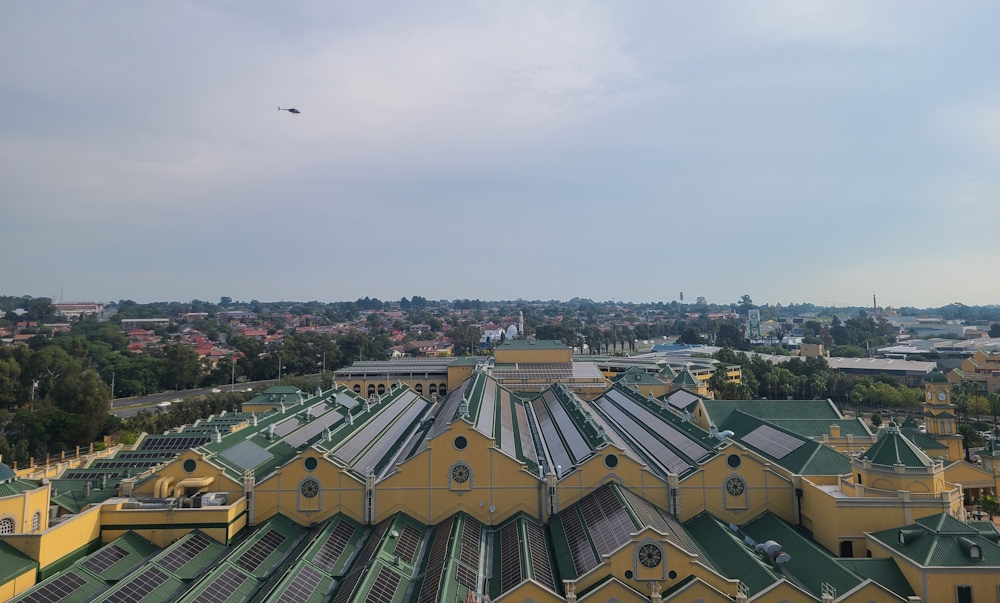
Here are 15 key facts about Johannesburg that tell the story of South Africa’s most dynamic city.

1. It Was Born from a Gold Rush

Johannesburg is a relatively young city, founded in 1886. Its establishment was entirely due to the discovery of a massive gold reef on a farm called Langlaagte. Almost overnight, a dusty settlement transformed into a booming prospector’s camp, pulling people from all over the world.

2. It Is South Africa’s Largest City (But Not the Capital)

Many people mistakenly believe Johannesburg is the capital of South Africa. While it is the largest city in the country by population and its economic heartbeat, South Africa actually has three capitals: Pretoria (executive), Cape Town (legislative), and Bloemfontein (judicial).

3. It Is One of the World’s Largest Man-Made Forests

When viewed from above, Johannesburg looks like a sprawling forest. There are an estimated 10 million trees planted throughout the city and its suburbs, making it one of the largest, heavily wooded man-made urban forests in the world. Originally, these trees were planted in the 19th century to provide wood for the mines.

4. It Is Not Built Near a Major Water Source

Unlike London, New York, or Cairo, Johannesburg is one of the few major cities in the world not situated on a coastline, a lake, or a major navigable river. Its existence is tied solely to the mineral wealth found deep underground.

5. It Houses the Largest Stock Exchange in Africa

Johannesburg is the undisputed financial capital of the continent. The Johannesburg Stock Exchange (JSE), located in the bustling business district of Sandton, is the largest and most influential stock exchange in Africa and ranks among the top 20 in the world.

6. Vilakazi Street’s Nobel Heritage

Located in the famous township of Soweto (South Western Townships), Vilakazi Street holds a unique global distinction. It is the only street in the world to have been home to two Nobel Peace Prize laureates: former President Nelson Mandela and Archbishop Emeritus Desmond Tutu.

7. It Sits at a High Altitude

Johannesburg is located on the eastern plateau area of South Africa known as the Highveld. Sitting at an elevation of about 1,753 meters (5,751 feet) above sea level, the air is thinner. This high altitude contributes to its mild climate, but it also means athletes often train here to improve their cardiovascular endurance.

8. The Cradle of Humankind is Next Door

Just a short drive northwest of the city lies the Cradle of Humankind, a UNESCO World Heritage site. This area is home to a complex of limestone caves, including the Sterkfontein Caves, where scientists have discovered some of the oldest hominid fossils in the world, dating back over 3 million years.

9. It Experiences Dramatic Summer Thunderstorms

If you visit Johannesburg in the summer, you will likely witness its legendary afternoon thunderstorms. The high-altitude heat causes massive cumulonimbus clouds to build up rapidly, resulting in spectacular, lightning-filled downpours that usually pass as quickly as they arrive.

10. The Apartheid Museum is a Global Landmark

To understand modern South Africa, one must understand its painful past. Johannesburg is home to the Apartheid Museum, an architectural masterpiece that provides a deeply moving, educational, and comprehensive look at the rise and fall of the apartheid system in the 20th century.

11. It Contains the Deepest Mines on Earth

The gold that built Johannesburg didn’t just sit on the surface. As surface deposits dried up, miners had to dig deeper. The region surrounding the city is home to the deepest gold mines in the world, such as the Mponeng Gold Mine, which plunges nearly 4 kilometers (2.5 miles) into the earth’s crust.

12. Constitution Hill Represents South Africa’s Transformation

Once a notorious prison complex that held political prisoners like Nelson Mandela, Mahatma Gandhi, and Albertina Sisulu, Constitution Hill has been transformed into the home of South Africa’s Constitutional Court. It stands as a powerful symbol of the country’s journey from oppression to a thriving democracy.

13. O.R. Tambo is Africa’s Busiest Airport

Johannesburg serves as the primary gateway to the African continent. O.R. Tambo International Airport handles millions of passengers every year, facilitating travel and trade across the globe and solidifying the city’s role as a major international transit hub.

14. A Hub of Astonishing Linguistic Diversity

South Africa boasts 12 official languages, and you can hear almost all of them on the streets of Johannesburg. While English is widely used in business, Zulu, Xhosa, Sotho, and Afrikaans are deeply woven into the daily fabric of the city, making it a true melting pot of African cultures.

15. The Inner City is Undergoing a Creative Renaissance

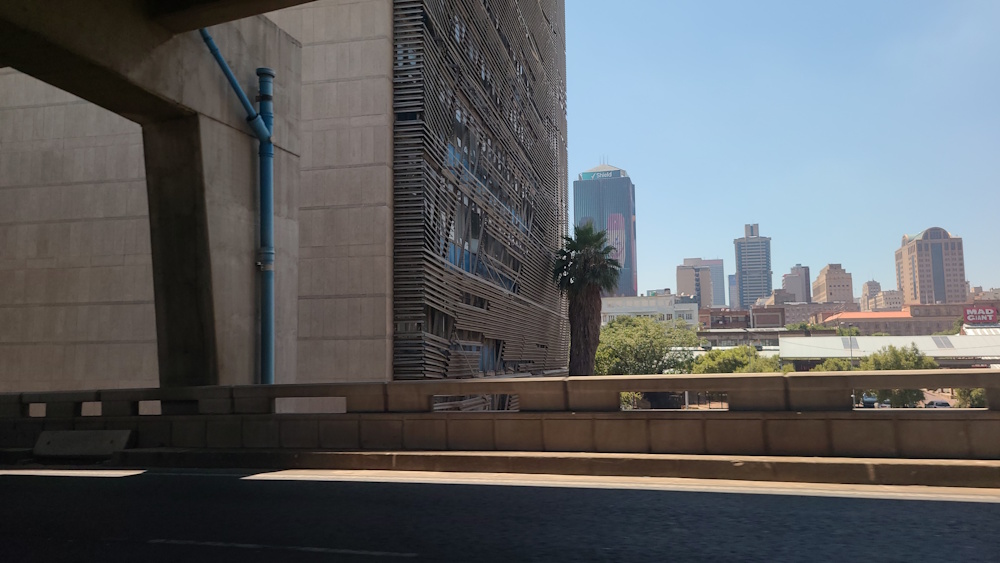
While the inner city faced periods of urban decay in the late 20th century, areas like the Maboneng Precinct and Braamfontein have experienced a massive cultural revival. Today, they are vibrant hubs filled with street art, independent galleries, coffee shops, and rooftop markets, showcasing the resilience and creativity of Johannesburg’s youth.

Interesting in read more city facts? Check out these facts about Ottawa here.
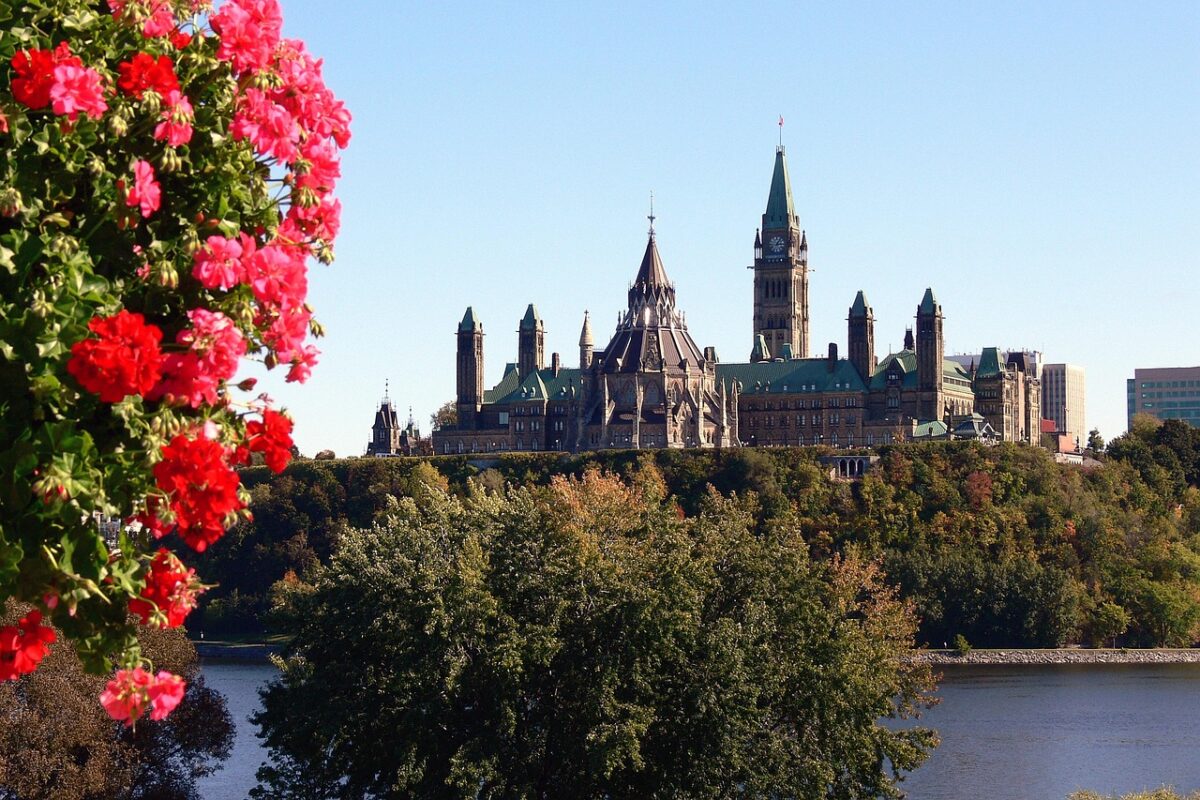
200 Years of Ottawa: From Bytown to Capital

This year, 2026, marks a historic milestone for Canada’s capital. Exactly two centuries ago, a rough-and-tumble work camp was established on the banks of the Ottawa River. It was a place of mud, malaria, and lumberjacks, created for a single purpose: to build a canal.

Today, that settlement is a G7 capital, a tech hub known as “Silicon Valley North,” and a city celebrated for its tulips and architecture.

As we celebrate the 200th Anniversary of Ottawa, let’s look back at the incredible journey from the lawless days of “Bytown” to the modern metropolis of today.

Ottawa: At A Glance

Feature Details
Founded September 26, 1826 (as Bytown)
Renamed Ottawa 1855
Current Age 200 Years (in 2026)
Founder Lt. Col. John By
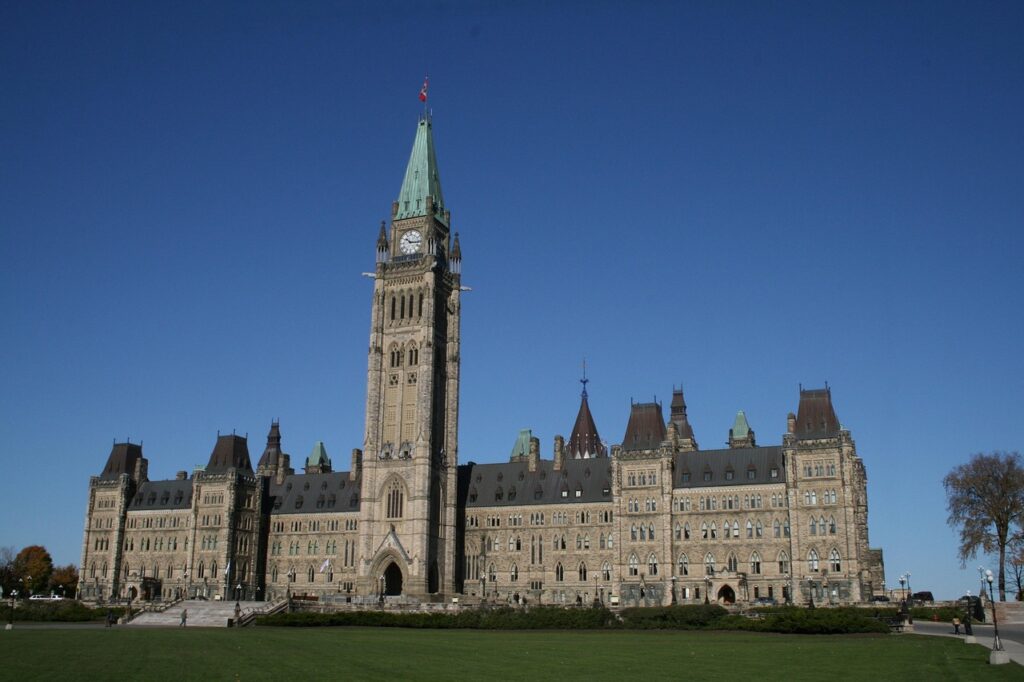
Famous Landmark Parliament Hill, Rideau Canal

1. The Beginning: Colonel By and the Canal (1826)

The story begins not with a politician, but with a soldier. Following the War of 1812, the British feared that the Americans would invade again and block the St. Lawrence River (the main supply route). They needed a “back door” supply line.

In 1826, Lieutenant Colonel John By of the Royal Engineers arrived to build a massive waterway connecting the Ottawa River to Lake Ontario. He set up his headquarters at the entrance of the canal. The settlement that sprang up around him was named Bytown.

2. The Wildest Town in North America

Before it was a staid government town, Bytown was arguably the most dangerous place in North America. In the 1830s, it was the setting of the Shiners’ War—years of violent street fighting between rival Irish timber raftsmen and French-Canadian lumberjacks. Alcohol flowed freely, and the law was virtually non-existent. It was a far cry from the polite city we know today!

3. Becoming “Ottawa” (1855)

As the canal was completed and the timber trade boomed, the town grew up. In 1855, Bytown was incorporated as a city and renamed Ottawa. The name comes from the Algonquin word adawe, meaning “to trade.” This name change was a crucial step in shedding its rough reputation to become a respectable city.

4. The Queen’s Surprise Choice (1857)

One of the most famous facts about Ottawa is how it became the capital. In 1857, Queen Victoria was asked to choose a permanent capital for the Province of Canada. Everyone expected her to pick an established city like Toronto, Montreal, or Kingston.

Instead, she chose Ottawa. Why?

  1. Defense: It was located far from the American border (unlike Kingston/Montreal), making it harder to attack.

  2. Compromise: It sat right on the border of English Ontario and French Quebec, making it a political middle ground.

5. The Great Fire of 1900

On April 26, 1900, a chimney fire in Hull (across the river) spread rapidly due to high winds. The fire jumped the river and devastated Ottawa. It destroyed nearly 20% of the city, leaving 14,000 people homeless. However, it also paved the way for modern urban planning, reshaping the industrial zones into the residential neighborhoods seen today.

6. The Greber Plan & The Greenbelt

In the mid-20th century, Prime Minister Mackenzie King hired French planner Jacques Gréber to beautify the city. This led to the removal of industrial rail lines from the downtown core and the creation of the Greenbelt—a massive ring of protected forest and farmland that still encircles the city today, preventing urban sprawl.

7. 2026: The Bicentennial City

Today, 200 years later, Ottawa is unrecognizable from Colonel By’s camp.

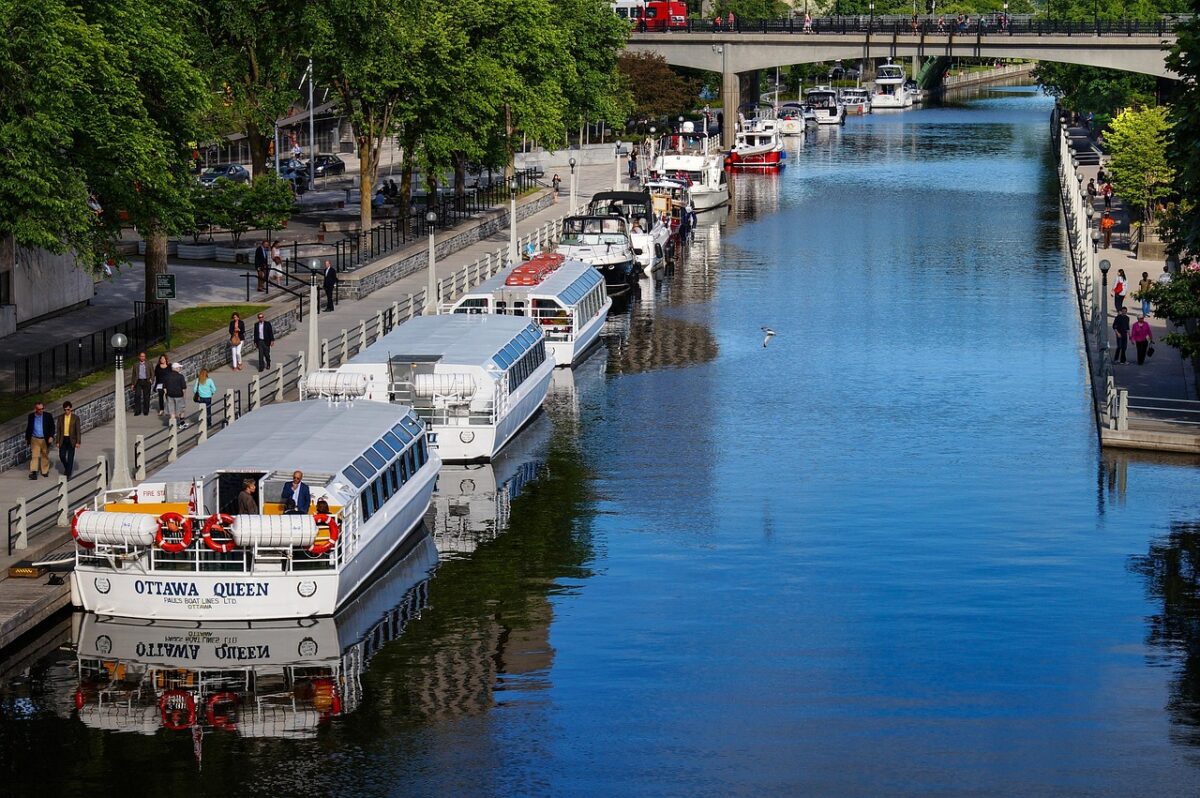
  • A UNESCO Treasure: The Rideau Canal, once a military project, is now a UNESCO World Heritage Site and the world’s largest skating rink in winter.

  • Tech Hub: It boasts the highest concentration of scientists and engineers in Canada.

  • Bilingual Heart: It remains the symbolic bridge between English and French Canada.


Frequently Asked Questions (FAQ)

Q: Is the Rideau Canal really 200 years old?

Construction began in 1826 (marking the founding of the city) and finished in 1832. So, the project that started the city is 200 years old this year.

Q: Who was the first Mayor?

John Scott became the first mayor of Bytown in 1847. However, the most famous historical figure remains Colonel John By, whose statue stands in Major’s Hill Park looking over his creation.

Q: Why are there so many tulips in Ottawa?

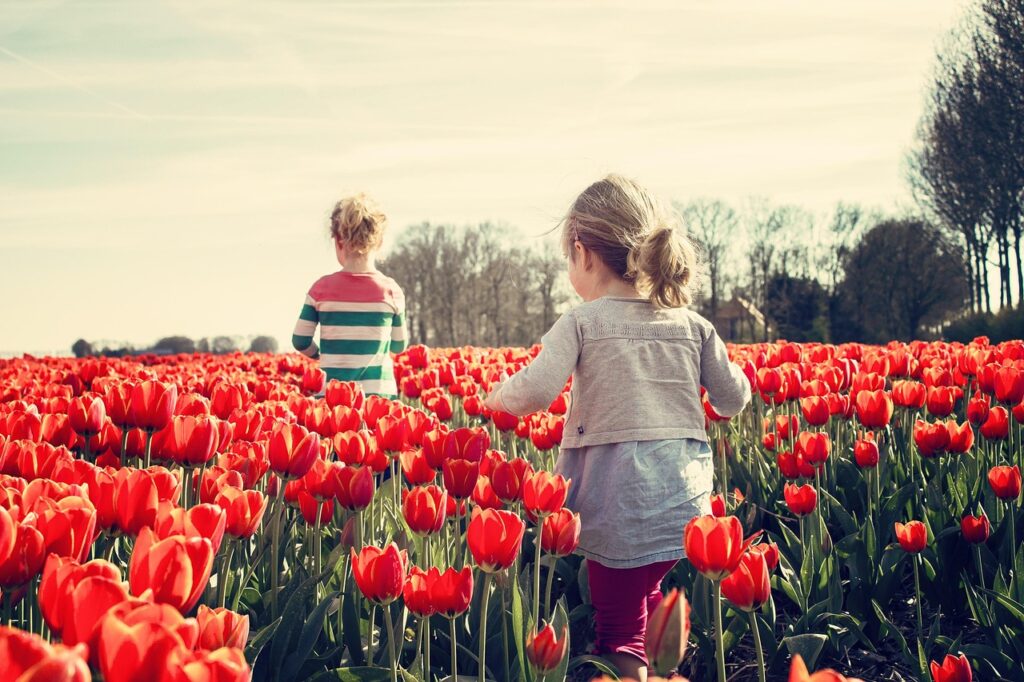
While not from 1826, this is a key part of history. In 1945, the Dutch Royal Family sent 100,000 tulip bulbs to Ottawa to thank Canada for sheltering Princess Juliana during WWII and for liberating the Netherlands. The tradition continues today with the Canadian Tulip Festival.


Conclusion

From a muddy construction camp in the wilderness to a G7 capital celebrating its 200th birthday, Ottawa’s story is one of resilience and transformation. As we look back at 1826, we see the foundations of a city that was built by grit, defined by geography, and chosen by a Queen.

Happy 200th Anniversary, Ottawa!

10 Surprising Facts About Coffee (You Need To Know)

For billions of people around the world, the day doesn’t officially start until the first cup of coffee is poured. It fuels our mornings, powers our meetings, and serves as the centerpiece for social gatherings.

But how much do you actually know about what is in your mug? From its accidental discovery by dancing goats to the reason it was once declared illegal, coffee has a history as rich as its flavor.

Here are 10 surprising facts about coffee that will give you a new appreciation for your daily brew.

1. Coffee Was Discovered by Goats

According to popular legend, coffee was discovered in Ethiopia by a goat herder named Kaldi. He noticed that after eating berries from a certain tree, his goats became so energetic that they wouldn’t sleep at night. He reported his findings to the abbot of the local monastery, who made a drink with the berries and found it kept him alert during long hours of evening prayer.

2. Coffee Beans Are Actually Seeds

We call them “beans” because of their resemblance to legumes, but they are actually seeds. The coffee plant produces a bright red fruit called a “coffee cherry.” The “bean” we roast and grind is actually the pit found inside that fruit.

3. Finland Drinks the Most Coffee

You might think of Italy or the US as the coffee capitals of the world, but the title actually belongs to Finland. According to the International Coffee Organization, the average Finn consumes about 12 kg (26 lbs) of coffee per year. That is roughly double the consumption of most other European nations.

4. The First Webcam Was Invented for Coffee

In 1991, researchers at the University of Cambridge were tired of walking to the break room only to find the coffee pot empty. To solve this, they set up a camera pointed at the Trojan Room coffee pot and streamed the footage to their desktops. This became the world’s first webcam.

5. Coffee Was Once Banned in Mecca

In 1511, coffee was banned in Mecca because it was believed to stimulate radical thinking and idleness. It was also briefly condemned by Catholic priests in Europe as “The Devil’s Cup” until Pope Clement VIII tasted it, loved it, and symbolically baptized it to make it acceptable for Christians.

6. Light Roast Has More Caffeine (Technically)

There is a common myth that dark, bitter roasts have more of a “kick.” In reality, light roast coffee often contains slightly more caffeine than dark roast. This is because the longer roasting process required for dark roasts actually burns off some of the caffeine molecules and reduces the density of the bean.

7. It is the Second Most Consumed Beverage

While water is the undisputed champion, coffee is widely considered the second most consumed beverage on Earth (though tea gives it a close run for its money depending on the stats). Globally, humans consume approximately 2.25 billion cups of coffee every single day.

8. You Can Overdose on It (But It’s Hard)

Yes, you can technically die from too much caffeine, but you would have to try very hard. For an average-sized person, a lethal dose is roughly 10 grams of caffeine. To reach this, you would need to drink about 70 to 100 cups of coffee in rapid succession. Please don’t try this.

9. Espresso Means “Pressed Out”

The word espresso comes from Italian and refers to the way the coffee is made, not a specific type of bean. It translates roughly to “pressed out,” referring to the process of forcing boiling water under high pressure through finely-ground coffee beans.

10. Coffee Grounds Can Be Used as Fuel

Coffee grounds are highly flammable and rich in energy. Engineers have successfully developed ways to turn waste coffee grounds into biodiesel. In London, some buses have even been powered by fuel blends derived partially from coffee oil!


Conclusion

Coffee is more than just a caffeine delivery system; it is a global phenomenon with a wild history. So the next time you take a sip of your morning latte or espresso, remember: you are drinking a beverage that was discovered by goats, baptized by a Pope, and responsible for the invention of the webcam.

How do you take your coffee? Let us know in the comments!

10 Mind-Blowing Facts About Space

Space is big. You just won’t believe how vastly, hugely, mind-bogglingly big it is. But beyond the sheer size, the universe is filled with strange phenomena that defy the laws of physics we experience here on Earth.

From stars that weigh as much as mountains to planets where it rains glass sideways, the cosmos is stranger than fiction.

Here are 10 of the most mind-blowing facts about space that will change the way you look at the night sky.

1. Space is Completely Silent

In space, no one can hear you scream. This isn’t just a movie tagline; it is scientific fact. Sound waves need a medium (like air or water) to travel through. Since space is a vacuum (meaning it has no air), there is no way for sound to carry. If a supernova exploded right next to you, you wouldn’t hear a thing—though the radiation would likely kill you instantly.

2. One Teaspoon of a Neutron Star Weighs 6 Billion Tons

When a massive star dies, it collapses into a “neutron star.” These objects are incredibly dense. To wrap your head around it: if you took just one teaspoon of neutron star material, it would weigh roughly 6 billion tons. That is about the same weight as Mount Everest—all squeezed into a spoon.

3. There Are More Trees on Earth Than Stars in the Milky Way

This sounds impossible, but it is true. Astronomers estimate there are between 100 to 400 billion stars in our Milky Way galaxy. However, a 2015 study published in Nature estimated that there are over 3 trillion trees on Earth. That means for every star in our galaxy, there are roughly 7 to 8 trees on our planet.

4. The Footprints on the Moon Will Last for Millions of Years

Because the Moon has no atmosphere, there is no wind to erode the soil and no water to wash footprints away. The prints left by Neil Armstrong and Buzz Aldrin in 1969 are likely still there today, pristine and untouched. Unless a meteorite hits them, they could remain visible for 100 million years.

5. Space Has a Distinct Smell

While you can’t smell the vacuum of space directly (you’d die), astronauts returning from spacewalks describe a very specific odor clinging to their suits. They compare it to seared steak, hot metal, or welding fumes. Some scientists believe this is the smell of dying stars, caused by high-energy vibrations in particles.

6. A Day on Venus is Longer Than a Year on Venus

Venus has an incredibly slow axis rotation. It takes 243 Earth days for Venus to spin once (a day). However, it only takes 225 Earth days for Venus to orbit the Sun (a year). This means that on Venus, a day lasts longer than a year!

7. Sunsets on Mars Are Blue

On Earth, our atmosphere scatters sunlight to make the sky look blue during the day and red/orange at sunset. Mars has the opposite effect. Because of the fine dust in the Martian atmosphere, the sky often appears reddish/pink during the day, but the sunset glows with a cool, bluish hue.

8. Cold Welding: Metal Bonds Instantly

If you touch two pieces of the same type of uncoated metal together in the vacuum of space, they will permanently fuse and become one piece. This is known as Cold Welding. On Earth, oxygen creates a layer of oxidation on metal surfaces that prevents this. In space, without that oxygen barrier, the atoms simply bond together.

9. You Can’t Cry in Space

Astronauts can feel sadness, but they can’t shed tears like we do on Earth. Without gravity to pull the liquid down, tears don’t fall. Instead, they build up into a weird, stinging ball of liquid that clings to your eye and eventually floats away.

10. The Voyager 1 Probe is Making History

Launched in 1977, Voyager 1 is the farthest human-made object from Earth. It is currently over 15 billion miles away in “Interstellar Space.” By November 2026, it will be exactly one light-day away from Earth—meaning it will take a radio signal 24 hours just to reach it.


Conclusion

The universe is a place of infinite mystery. As technology advances, we are learning more every day, but we have likely only scratched the surface. Which of these facts blew your mind the most?

Do you know a space fact that belongs on this list? Leave a comment below!

15 Fascinating Facts About Canada (The Ultimate Guide)

When you think of Canada, you might picture snow, hockey, and polite people saying “sorry.” And while those stereotypes are true, the “Great White North” is far more interesting than just its postcards.

Canada is a land of massive scale. It is the second-largest country on Earth, home to the longest coastline in the world, and contains more lakes than every other country combined. It is also the only place where you can send a letter to Santa Claus and get a guaranteed reply.

From the Rocky Mountains of British Columbia to the red sands of Prince Edward Island, here are the most interesting facts about Canada.

Canada: At A Glance

Feature Details
Capital City Ottawa
Population ~41.5 Million (2026 est.)
Currency Canadian Dollar (CAD)
Official Languages English, French
Known For Maple Syrup, Nature, Ice Hockey

Historical Facts About Canada

1. The Flag is Relatively New

The iconic red and white flag with the maple leaf is famous worldwide, but it is actually younger than Brad Pitt. Canada didn’t adopt its own official flag until February 15, 1965. Before that, the country used the British “Red Ensign.”

2. It Has Two National Sports

Most people assume Ice Hockey is the only national sport. However, Canada actually has two: Ice Hockey is the official winter sport, while Lacrosse is the official summer sport.

3. Santa Claus is Canadian

In 2008, the Minister of Citizenship and Immigration officially declared that Santa Claus is a Canadian citizen. In fact, Canada Post has given Santa his own special postal code: H0H 0H0. Every year, volunteers answer millions of letters sent to this address in over 30 languages.


Geography & Nature

4. The Longest Coastline in the World

Canada is massive. It has the longest coastline of any country, measuring 243,042 kilometers (151,019 miles). To put that in perspective, if you walked 20 km a day along the coast, it would take you roughly 33 years to finish the walk.

5. More Lakes Than the Rest of the World

If you love water, this is the place to be. Canada has an estimated 2 million lakes, with 563 of them being larger than 100 square kilometers. It holds about 20% of the world’s freshwater supply.

6. Lowest Gravity on Earth?

Parts of the Hudson Bay region have slightly less gravity than the rest of the world. This phenomenon was a mystery for decades until scientists discovered it was caused by the Laurentide Ice Sheet, which was so heavy during the last Ice Age that it squashed the Earth down, and the land is still slowly rebounding today.


Cultural & Social Facts

7. The “Apology Act”

Canadians are famous for apologizing. It became such a habit that in 2009, Ontario passed the Apology Act. This law states that saying “sorry” at the scene of an accident is an expression of sympathy, not an admission of legal guilt.

8. The Mac & Cheese Obsession

Canadians eat more Kraft Dinner (Macaroni & Cheese) per capita than anyone else in the world—about 55% more than Americans. It is often jokingly referred to as the de facto “National Dish.”

9. 80% of the World’s Maple Syrup

Quebec is the global powerhouse of maple syrup, producing roughly 70-80% of the world’s supply. They even maintain a “Global Strategic Maple Syrup Reserve” (storing millions of pounds in barrels) to ensure the world never runs out in a bad harvest year.

10. “Eh” is in the Dictionary

The stereotype is real. The interjection “eh” is listed in the Canadian Oxford Dictionary as a valid word used to ascertain understanding, request repetition, or express surprise.


Tourism & Travel Tips

11. The Trans-Canada Highway

One of the longest national highways in the world, the Trans-Canada Highway stretches 7,821 km (4,860 miles) from Victoria, BC, to St. John’s, NL. It passes through all ten provinces and is the ultimate road trip experience.

12. Bagged Milk

If you visit Ontario or Quebec, don’t be alarmed if you can’t find milk cartons. In Eastern Canada, milk is sold in 4-liter bags (which contain three smaller bags inside). You put the bag in a plastic pitcher, snip the corner, and pour.

13. Churchill: The Polar Bear Capital

The town of Churchill in Manitoba is known as the “Polar Bear Capital of the World.” Residents leave their car doors unlocked so that if someone encounters a polar bear on the street, they can quickly duck into a car for safety.

14. A Cold Capital City

The Capital city of Canada is Ottawa, which is one of the coldest capital cities in the world. During the winter months, temperatures can reach as low as -29 degrees below 0. Then add the windchill and it feels like… -37!


Frequently Asked Questions (FAQ)

Q: Is Canada always cold?

No. While winters can be harsh (-30°C is common in the Prairies), summers in places like Southern Ontario and British Columbia can easily reach 30°C to 35°C (86°F – 95°F).

Q: Do I need to speak French to visit?

No. English is the primary language in most provinces. However, in Quebec, French is the official language. While most people in tourist areas of Montreal speak English, learning a simple Bonjour (Hello) goes a long way.

Q: What is a “Loonie”?

A “Loonie” is the Canadian one-dollar coin (named after the loon bird on the back). The two-dollar coin is affectionately called a “Toonie.”


Conclusion

Canada is a country that defies expectations. It is a place where modern cities meet untouched wilderness, where “sorry” is a reflex, and where the police force (the Mounties) is a worldwide symbol of friendliness.

Know a fun fact about Canada we missed? Let us know in the comments below!

15 Fascinating Facts About Botswana (The Ultimate Guide)

When people think of an African safari, they often picture the open plains of Kenya or Tanzania. But for true wildlife connoisseurs, the real jewel of the continent is Botswana.

This landlocked nation is a place of extremes: a country where rivers flow into a desert instead of the sea, and where diamonds literally pave the way for free education. It is also home to the oldest continuous democracy in Africa.

From the elephant-packed Chobe River to the moon-like salt pans of the Makgadikgadi, here are the most interesting facts about Botswana.

Botswana: At A Glance

Feature Details
Capital City Gaborone
Population ~2.7 Million (2025 est.)
Currency Pula (BWP)
Official Languages English, Setswana
Known For Diamonds, Okavango Delta, Elephants

Historical Facts About Botswana

1. Africa’s Oldest Continuous Democracy

Since gaining independence from Britain in 1966, Botswana has held regular, free, and fair elections without interruption. While many neighbors struggled with coups or dictatorships, Botswana maintained stability, earning it the nickname “The Gem of Africa.”

2. From Poorest to Richest

At independence in 1966, Botswana was arguably the poorest country in the world, with only 12 kilometers of paved road and 22 college graduates. Today, thanks to the discovery of diamonds and smart governance, it is an Upper-Middle-Income nation with one of the highest standards of living in Africa.

3. The World’s Shortest Border

Botswana shares a border with Zambia that is widely considered the shortest international border in the world. Located at the confluence of the Chobe and Zambezi rivers, the strip touches for only about 150 meters (490 feet). It is crossed by the massive Kazungula Bridge.


Geography & Nature

4. Home to the Most Elephants on Earth

If you like elephants, this is your paradise. Botswana has the highest concentration of African elephants on the planet—estimated at over 130,000. That is roughly one-third of Africa’s total elephant population. In Chobe National Park, you can sometimes see hundreds of them swimming across the river at sunset.

5. A River That Never Reaches the Sea

The Okavango Delta is a geographical anomaly. It is the world’s largest inland delta. The Okavango River flows from Angola and dumps its water directly into the Kalahari Desert, where it fans out and evaporates. This creates a lush, animal-filled oasis in the middle of a desert that can be seen from space.

6. The “Super Lake” Salt Pans

The Makgadikgadi Pans are some of the largest salt flats in the world. Thousands of years ago, this was a massive super-lake larger than Switzerland. Today, it is a stark, white, moon-like landscape. It is so flat that you can see the curvature of the Earth.

7. The Secret Zebra Migration

While the Great Migration in East Africa gets all the press, Botswana hosts the second-largest zebra migration in the world. Thousands of zebras travel over 500km between the Okavango Delta and the Makgadikgadi Pans in search of fresh grass.


Cultural & Social Facts

8. “Rain” is Money

In a country covered largely by the Kalahari Desert, rain is more precious than gold. The national currency is called the Pula, which literally translates to “Rain” in Setswana. The word “Pula” is also the national motto and is shouted as a toast or blessing at events.

9. Home of the First People

Botswana is the ancestral home of the San people (often called Bushmen). DNA studies suggest that the San are the oldest continuous genetic line of humans on Earth, having lived in Southern Africa for at least 20,000 years.

10. Cows Are Status Symbols

Despite modernization, cattle remain a huge part of Botswana’s culture and status. A man’s wealth was traditionally measured by the size of his herd. Today, high-quality Botswana beef is a major export, rivaling diamonds in importance to rural communities.


Tourism & Travel Tips

11. High Value, Low Volume

Botswana deliberately avoids mass tourism. The government pursues a “High Value, Low Volume” model. This means safaris here are often more expensive than in other countries, but the parks are uncrowded, pristine, and exclusive.

12. The No-Fence Policy

Unlike many other countries that fence off their national parks, Botswana keeps its parks largely unfenced. This allows animals to migrate naturally. However, it also means that if you stay at a safari lodge, an elephant or hippo might walk right past your bedroom window!

13. The Safest Country in Africa?

Botswana is consistently ranked as one of the safest countries in Africa for travelers. The crime rate is low, and the locals are known for being peaceful and welcoming (often referring to themselves as Batswana).


Frequently Asked Questions (FAQ)

Q: What is the best time to visit Botswana?

The best time for game viewing is the Dry Season (May to October). Because water is scarce, animals congregate around the remaining waterholes, making them easy to spot.

Q: Is Botswana expensive?

Yes, generally. Because of the “low volume” tourism policy, budget accommodation inside the parks is rare. However, self-drive camping is a popular and affordable alternative for adventurous travelers.

Q: Do I need malaria pills?

Yes. The northern parts of Botswana (including Chobe and the Okavango Delta) are malaria risk zones, especially during the rainy season.


Conclusion

Botswana is a success story in every sense of the word. It managed to turn its diamond riches into development and its natural wonders into a sanctuary for the world’s most endangered wildlife. It is a place where modern democracy meets ancient tradition—and where “Rain” is the most valuable currency of all.

Know a fun fact about Botswana we missed? Let us know in the comments below!

15 Fascinating Facts About Thailand (The Ultimate Guide)

Thailand is one of the most visited countries on Earth, famous for its golden temples, turquoise islands, and world-class street food. But beyond the beaches of Phuket and the bustle of Bangkok lies a country with a history and culture unlike any other in Southeast Asia.

Did you know that Thailand is the only nation in the region to escape European colonization? Or that its capital city has the longest name in the world?

Whether you are planning a trip to the “Land of Smiles” or just curious about this tropical kingdom, here are the most interesting facts about Thailand.

Thailand: At A Glance

Feature Details
Capital City Bangkok (Krung Thep Maha Nakhon)
Population ~71.6 Million (2025 est.)
Currency Thai Baht (THB)
Official Language Thai
Known For Buddhism, Street Food, Beaches, Muay Thai

Historical Facts About Thailand

1. It Was Never Colonized

Thailand is the only country in Southeast Asia that was never colonized by a European power. While its neighbors (Vietnam, Laos, Cambodia, Myanmar, and Malaysia) were controlled by the French or British, Thailand maintained its independence through clever diplomacy by its Kings. This is a huge point of national pride; in fact, the name “Thailand” (Prathet Thai) translates to “Land of the Free.”

2. It Used to Be Called “Siam”

Until 1939, the country was officially known as Siam. The name was changed to Thailand to reflect a modern, nationalistic identity. It briefly reverted to Siam from 1945 to 1949, but has been Thailand ever since. (And yes, this is where the term “Siamese Twins” and “Siamese Cats” originated!).

3. Bangkok Has the World’s Longest Name

We know it as Bangkok, but locals call it Krung Thep. However, its official ceremonial name is listed in the Guinness World Records as the longest place name in the world (168 letters):

Krung Thep Mahanakhon Amon Rattanakosin Mahinthara Ayuthaya Mahadilok Phop Noppharat Ratchathani Burirom Udomratchaniwet Mahasathan Amon Piman Awatan Sathit Sakkathattiya Witsanukam Prasit.

Roughly translated, it means “The City of Angels, the Great City of Immortals, the Magnificent City of the Nine Gems…”


Geography & Nature

4. Home to the Smallest Mammal & Largest Fish

Thailand is a biodiversity hotspot. It is home to the world’s smallest mammal, the Bumblebee Bat (found in caves in western Thailand), which weighs only 2 grams. Conversely, its waters are one of the best places on earth to spot the Whale Shark, the largest fish in the ocean.

5. It Has Over 1,400 Islands

While Phuket and Koh Samui are the most famous, Thailand boasts approximately 1,430 islands in total. Many of these are part of protected marine parks, offering some of the best diving and snorkeling in the world.

6. It Exports the Most Orchids

Thailand is the world’s #1 exporter of orchids. The flower is a national symbol, and you will see them everywhere—from taxi dashboards to hotel pillows. Around 45% of the country’s orchids are exported, making it a multi-million dollar industry.


Cultural & Social Facts

7. The Head is Sacred, The Feet are Dirty

In Thai culture, the head is considered the most sacred part of the body, containing the spirit. You should never touch a Thai person on the head (even children). Conversely, feet are considered the lowest and dirtiest part of the body. Pointing your feet at someone—or especially at a Buddha statue—is extremely rude.

8. The “Wai” Greeting

Thais do not typically shake hands. Instead, they use the Wai—a slight bow with palms pressed together in a prayer-like fashion. The higher your hands are placed relative to your face, the more respect you are showing.

9. There is a Festival for Monkeys

Every year in Lopburi province, locals hold the Monkey Buffet Festival. They set out tons of fruits, vegetables, and sticky rice for the thousands of macaques that live in the ancient temple ruins. It is done to bring good luck and thank the monkeys for attracting tourists.

10. It Is Illegal to Step on Money

Because the Thai King’s image is printed on all currency (coins and notes), stepping on money is seen as stepping on the King’s face. This is a serious offense and can technically lead to jail time under Lese Majeste laws.


Tourism & Travel Tips

11. Bangkok is the World’s Most Visited City

For several years running, Bangkok has topped the Mastercard Global Destination Cities Index, often beating out Paris and London with over 22 million international visitors annually.

12. The “Tuk-Tuk” Origin

The iconic three-wheeled auto-rickshaw is named after the sound its small 2-stroke engine makes: “tuk-tuk-tuk-tuk.” While fun for a short ride, they are often more expensive than metered taxis for tourists!

13. Alcohol Sales Are Restricted

You cannot buy alcohol in Thailand whenever you want. Convenience stores (like 7-Eleven) only sell alcohol between 11:00 AM – 2:00 PM and 5:00 PM – Midnight. It is also completely banned on religious holidays and election days.


Frequently Asked Questions (FAQ)

Q: Is Thailand safe for tourists?

Yes, Thailand is generally very safe for tourists. Violent crime against foreigners is rare. However, scams (like the “Grand Palace is closed” scam) and traffic accidents are common risks.

Q: What is the best time to visit Thailand?

The best time to visit is during the Cool Season (November to February), when temperatures are comfortable and rain is minimal.

Q: Do I need a visa?

Many nationalities (including US, UK, Canada, and EU citizens) get a Visa Exemption on arrival for up to 60 days (checked 2025). However, rules change, so always check with the Thai embassy before flying.


Conclusion

From its complex history as the Kingdom of Siam to its modern status as a travel superpower, Thailand is a country of endless fascination. Whether you are there for the temples, the tigers, or the Pad Thai, you are sure to leave with a story to tell.

Know a fun fact about Thailand we missed? Let us know in the comments below!