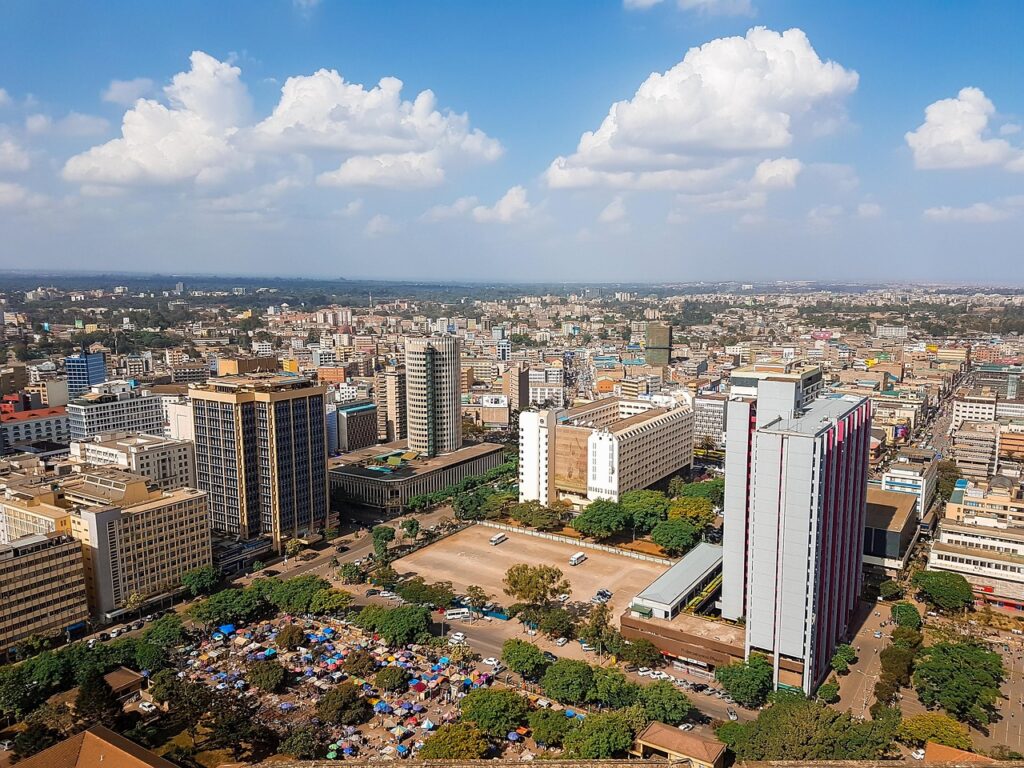
Calgary is a dynamic city where cowboy heritage meets a gleaming, modern skyline. Nestled in the foothills of the Canadian Rockies, Alberta’s largest metropolis is defined by its rapid growth, entrepreneurial spirit, and deep connection to the breathtaking natural landscapes that surround it.
Here are 15 key facts bout Calgary that capture the essence of this vibrant Canadian city.
1. It Hosts the “Greatest Outdoor Show on Earth”
Every July, the city transforms for the Calgary Stampede. This massive ten-day event is part rodeo, part exhibition, and part festival. It draws over a million visitors annually and is so deeply ingrained in the local culture that businesses often close or significantly alter their hours so employees can participate in the festivities.
2. It Is the Sunniest City in Canada
Despite its reputation for long, snowy winters, Calgary is officially the sunniest major city in Canada. It enjoys an average of 333 sunny days and over 2,300 hours of sunshine per year, providing a bright, clear backdrop to the city no matter the season.
3. It Experiences the “Chinook” Phenomenon
Winters in Calgary are uniquely tempered by Chinooks—warm, dry winds that blow down the eastern slopes of the Rocky Mountains. A strong Chinook can raise the city’s temperature by over 20°C (36°F) in a matter of hours, rapidly melting snow and bringing brief periods of spring-like weather in the dead of winter.
4. It Has the World’s Most Extensive Skywalk System
To combat the cold winters, downtown Calgary is connected by the “Plus 15” network. Named because the walkways are elevated approximately 15 feet above street level, it is the world’s most extensive pedestrian skywalk system, featuring over 18 kilometers (11 miles) of climate-controlled, interconnected bridges between high-rise buildings.
5. It Put Canada on the Winter Olympics Map
In 1988, Calgary became the first Canadian city to host the Winter Olympic Games. The event was highly successful and left a lasting legacy. Facilities like the Canada Olympic Park (COP) and the Olympic Oval are still used today for world-class athletic training and public recreation.
6. It Is Consistently Ranked the World’s Cleanest City
Calgary frequently tops global lists for cleanliness. The city heavily invests in sanitation, water quality, and air purity, and imposes strict fines for littering. This civic pride results in noticeably pristine streets and a highly sustainable urban environment.
7. It Is the Birthplace of the Caesar Cocktail
Canada’s national cocktail, the Caesar, was invented in Calgary in 1969. Walter Chell, a restaurant manager at the Calgary Inn, created the savory drink—made with vodka, clamato juice, hot sauce, and Worcestershire sauce, served in a celery salt-rimmed glass—to celebrate the opening of a new Italian restaurant.
8. It Boasts a Massive Urban Park System
Nature is never far away in Calgary. It is home to Fish Creek Provincial Park, one of the largest urban parks in North America. Stretching over 19 kilometers across the southern part of the city, it offers extensive paved and unpaved trails for hiking, biking, and wildlife viewing.
9. It Is the Energy Capital of Canada
Calgary’s economy has historically been driven by the energy sector. The city houses the corporate headquarters of almost every major Canadian oil and gas company, making it the undeniable epicenter of the country’s energy industry and a major driver of national wealth.
10. It Sits at the Confluence of Two Rivers
The city was built around the meeting point of the Bow and Elbow rivers. This confluence has been a gathering place for Indigenous peoples for thousands of years and remains the geographic and historical heart of the city, marked today by the historic Fort Calgary site.
11. It Features Canada’s Largest Living History Museum
Heritage Park Historical Village spans 127 acres and is Canada’s largest living history museum. It meticulously recreates Western Canadian life from the 1860s to the 1930s, complete with costumed interpreters, working antique trains, and authentic historical buildings relocated from across the prairies.
12. It Has a Remarkably Young Population
Calgary boasts one of the youngest demographic profiles of any major city in Canada. The average age is around 38 years old, driven by a strong economy that consistently attracts young professionals, new graduates, and young families from across the country and around the globe.
13. Its Central Library is an Architectural Marvel
Opened in 2018, the Calgary Central Library in the East Village is a stunning piece of modern architecture. Designed by the Norwegian firm Snøhetta, its striking geometric facade and sweeping, light-filled cedar interior have won numerous global design awards, making it a beloved civic hub.
14. It Is a Global Hub for Equestrian Sports
Just south of the city limits lies Spruce Meadows, one of the world’s premier equestrian show jumping facilities. It hosts multiple internationally renowned tournaments throughout the year, drawing the top horses and riders from across the globe to compete for massive prize pools.
15. It Is the Ultimate Gateway to the Rockies
Perhaps Calgary’s greatest geographical asset is its proximity to the Canadian Rockies. The world-famous Banff National Park is less than a 90-minute drive from the city center, offering residents and visitors unparalleled access to world-class skiing, hiking, and breathtaking alpine scenery.