Heart of the New West: 15 Key Facts About Calgary

Calgary is a dynamic city where cowboy heritage meets a gleaming, modern skyline. Nestled in the foothills of the Canadian Rockies, Alberta’s largest metropolis is defined by its rapid growth, entrepreneurial spirit, and deep connection to the breathtaking natural landscapes that surround it.

Here are 15 key facts bout Calgary that capture the essence of this vibrant Canadian city.

1. It Hosts the “Greatest Outdoor Show on Earth”

Every July, the city transforms for the Calgary Stampede. This massive ten-day event is part rodeo, part exhibition, and part festival. It draws over a million visitors annually and is so deeply ingrained in the local culture that businesses often close or significantly alter their hours so employees can participate in the festivities.

2. It Is the Sunniest City in Canada

Despite its reputation for long, snowy winters, Calgary is officially the sunniest major city in Canada. It enjoys an average of 333 sunny days and over 2,300 hours of sunshine per year, providing a bright, clear backdrop to the city no matter the season.

3. It Experiences the “Chinook” Phenomenon

Winters in Calgary are uniquely tempered by Chinooks—warm, dry winds that blow down the eastern slopes of the Rocky Mountains. A strong Chinook can raise the city’s temperature by over 20°C (36°F) in a matter of hours, rapidly melting snow and bringing brief periods of spring-like weather in the dead of winter.

4. It Has the World’s Most Extensive Skywalk System

To combat the cold winters, downtown Calgary is connected by the “Plus 15” network. Named because the walkways are elevated approximately 15 feet above street level, it is the world’s most extensive pedestrian skywalk system, featuring over 18 kilometers (11 miles) of climate-controlled, interconnected bridges between high-rise buildings.

5. It Put Canada on the Winter Olympics Map

In 1988, Calgary became the first Canadian city to host the Winter Olympic Games. The event was highly successful and left a lasting legacy. Facilities like the Canada Olympic Park (COP) and the Olympic Oval are still used today for world-class athletic training and public recreation.

6. It Is Consistently Ranked the World’s Cleanest City

Calgary frequently tops global lists for cleanliness. The city heavily invests in sanitation, water quality, and air purity, and imposes strict fines for littering. This civic pride results in noticeably pristine streets and a highly sustainable urban environment.

7. It Is the Birthplace of the Caesar Cocktail

Canada’s national cocktail, the Caesar, was invented in Calgary in 1969. Walter Chell, a restaurant manager at the Calgary Inn, created the savory drink—made with vodka, clamato juice, hot sauce, and Worcestershire sauce, served in a celery salt-rimmed glass—to celebrate the opening of a new Italian restaurant.

8. It Boasts a Massive Urban Park System

Nature is never far away in Calgary. It is home to Fish Creek Provincial Park, one of the largest urban parks in North America. Stretching over 19 kilometers across the southern part of the city, it offers extensive paved and unpaved trails for hiking, biking, and wildlife viewing.

9. It Is the Energy Capital of Canada

Calgary’s economy has historically been driven by the energy sector. The city houses the corporate headquarters of almost every major Canadian oil and gas company, making it the undeniable epicenter of the country’s energy industry and a major driver of national wealth.

10. It Sits at the Confluence of Two Rivers

The city was built around the meeting point of the Bow and Elbow rivers. This confluence has been a gathering place for Indigenous peoples for thousands of years and remains the geographic and historical heart of the city, marked today by the historic Fort Calgary site.

11. It Features Canada’s Largest Living History Museum

Heritage Park Historical Village spans 127 acres and is Canada’s largest living history museum. It meticulously recreates Western Canadian life from the 1860s to the 1930s, complete with costumed interpreters, working antique trains, and authentic historical buildings relocated from across the prairies.

12. It Has a Remarkably Young Population

Calgary boasts one of the youngest demographic profiles of any major city in Canada. The average age is around 38 years old, driven by a strong economy that consistently attracts young professionals, new graduates, and young families from across the country and around the globe.

13. Its Central Library is an Architectural Marvel

Opened in 2018, the Calgary Central Library in the East Village is a stunning piece of modern architecture. Designed by the Norwegian firm Snøhetta, its striking geometric facade and sweeping, light-filled cedar interior have won numerous global design awards, making it a beloved civic hub.

14. It Is a Global Hub for Equestrian Sports

Just south of the city limits lies Spruce Meadows, one of the world’s premier equestrian show jumping facilities. It hosts multiple internationally renowned tournaments throughout the year, drawing the top horses and riders from across the globe to compete for massive prize pools.

15. It Is the Ultimate Gateway to the Rockies

Perhaps Calgary’s greatest geographical asset is its proximity to the Canadian Rockies. The world-famous Banff National Park is less than a 90-minute drive from the city center, offering residents and visitors unparalleled access to world-class skiing, hiking, and breathtaking alpine scenery.
The Green City in the Sun: 15 Key Facts About Nairobi

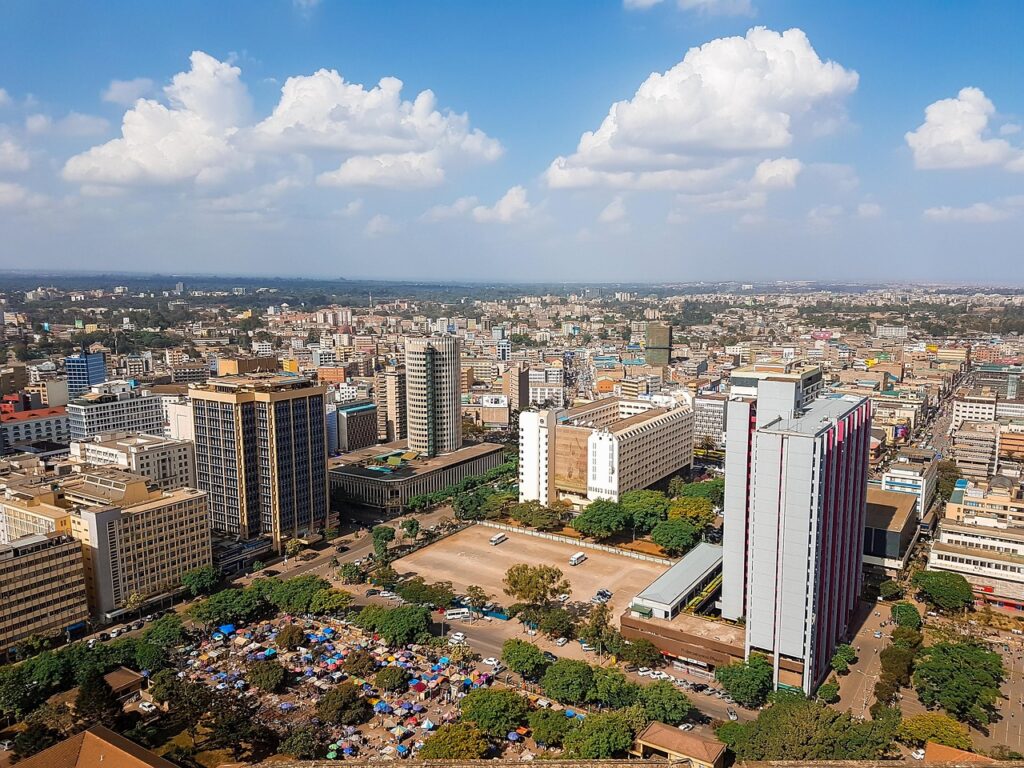
Nairobi is a city of incredible momentum and striking contrasts. From its unique position as a bustling tech and economic hub to its rich wildlife conservation efforts right within the city limits, Kenya’s capital is unlike any other metropolis on earth.

Here are 15 key facts about Nairobi that capture the essence of East Africa’s most dynamic city.

1. Its Name Means “Cool Water”

Nairobi derives its name from the Maasai phrase Enkare Nyrobi, which translates to “cool water.” This refers to the cold waters of the Nairobi River that flows through the area, which was once a vast, uninhabited grazing land and swamp before the city’s establishment.

2. It Was Born from a Railway Camp

Similar to Johannesburg’s rapid, resource-driven rise, Nairobi was founded quickly—but not for gold. It was established in 1899 as a simple, rustic supply depot and shunting yard for the Uganda Railway being built by the British colonial authorities.

3. It Replaced Mombasa as the Capital

Before Nairobi’s meteoric rise, the coastal city of Mombasa was the capital of the British East Africa Protectorate. By 1907, Nairobi had grown so significantly that the capital was relocated there, cementing its status long before Kenya gained independence in 1963.

4. It Is the “Green City in the Sun”

Despite its rapid urbanization and towering skyline, Nairobi is famous for its lush foliage, tree-lined streets, and abundant parklands. This commitment to blending urban life with nature earned it the enduring nickname, “The Green City in the Sun.”

5. It Is the Only City with a National Park on Its Doorstep

Nairobi holds the unique global distinction of having a national wildlife park within its borders. Nairobi National Park is just a short drive from the central business district, where you can photograph lions, rhinos, and giraffes with towering city skyscrapers as the backdrop.

6. It Is the “Silicon Savannah” of Africa

Nairobi is a massive technology and innovation hub. Its booming tech ecosystem, which pioneered world-leading mobile money systems like M-Pesa, has earned the city global recognition and the modern moniker “Silicon Savannah.”

7. It Hosts Major United Nations Headquarters

Nairobi is one of only four cities in the world (alongside New York, Geneva, and Vienna) to host a major United Nations headquarters. The United Nations Office at Nairobi (UNON) is the UN’s headquarters in Africa and serves as the global home for the UN Environment Programme (UNEP) and UN-Habitat.

8. It Has a Surprising High-Altitude Climate

Despite being located just a few degrees south of the equator, Nairobi does not have a sweltering tropical climate. Sitting at an altitude of approximately 1,795 meters (5,889 feet) above sea level, it enjoys a mild, temperate, and comfortable climate year-round.

9. Matatus Are a Moving Art Gallery

The city’s primary mode of public transportation, the matatu (minibus), is a cultural phenomenon. These vehicles are heavily customized with elaborate graffiti, neon lights, flat-screen TVs, and loud music, acting as a vibrant canvas for local artists and a reflection of urban pop culture.

10. It Is the Birthplace of “Sheng”

The linguistic diversity of Nairobi’s youth gave rise to Sheng, a dynamic urban slang that blends Swahili, English, and various indigenous Kenyan languages. What started in the city’s eastern neighborhoods has now become a mainstream cultural identifier across the country.

11. It Is a Sanctuary for Orphaned Elephants

Nairobi is home to the world-renowned David Sheldrick Wildlife Trust. This pioneering orphanage rescues, treats, and rehabilitates orphaned baby elephants and rhinos from all over Kenya, with the ultimate goal of successfully reintegrating them back into the wild.

12. It Houses One of Africa’s Largest Slums

Highlighting the city’s stark socioeconomic contrasts, Nairobi is home to Kibera, considered one of the largest urban slums in Africa. Despite the intense challenges, it is a bustling, highly resilient community full of micro-entrepreneurs, artists, and grassroots organizations.

13. You Can Hand-Feed a Giraffe Here

In the leafy, affluent suburb of Karen, you will find the Giraffe Centre, an important conservation sanctuary for the endangered Rothschild’s giraffe. Visitors can interact with and hand-feed these towering creatures from an elevated wooden platform.

14. It Has Strong Global Literary Ties

The suburb of Karen is named after Karen Blixen, the Danish author of the famous memoir Out of Africa. Her former farmhouse at the foot of the Ngong Hills has been beautifully preserved and now serves as a popular public museum.

15. It Is the Safari Capital of the World

Nairobi serves as the undisputed jumping-off point for East African wildlife tourism. Almost every major safari to legendary destinations like the Maasai Mara, Amboseli, or Tsavo begins or ends at Nairobi’s Jomo Kenyatta International Airport.

Nairobi is often linked with Johannesburg, so read these Johannesburg facts here.

The City of Gold: 15 Key Facts About Johannesburg

Johannesburg, affectionately known as “Jozi,” “Joburg,” or “Egoli” (the City of Gold), is a vibrant, bustling metropolis that pulses with the energy of a continent. From its rapid birth during a historic gold rush to its current status as a cultural and economic powerhouse, Johannesburg is a city of incredible contrasts and profound history.

Here are 15 key facts about Johannesburg that tell the story of South Africa’s most dynamic city.

1. It Was Born from a Gold Rush

Johannesburg is a relatively young city, founded in 1886. Its establishment was entirely due to the discovery of a massive gold reef on a farm called Langlaagte. Almost overnight, a dusty settlement transformed into a booming prospector’s camp, pulling people from all over the world.

2. It Is South Africa’s Largest City (But Not the Capital)

Many people mistakenly believe Johannesburg is the capital of South Africa. While it is the largest city in the country by population and its economic heartbeat, South Africa actually has three capitals: Pretoria (executive), Cape Town (legislative), and Bloemfontein (judicial).

3. It Is One of the World’s Largest Man-Made Forests

When viewed from above, Johannesburg looks like a sprawling forest. There are an estimated 10 million trees planted throughout the city and its suburbs, making it one of the largest, heavily wooded man-made urban forests in the world. Originally, these trees were planted in the 19th century to provide wood for the mines.

4. It Is Not Built Near a Major Water Source

Unlike London, New York, or Cairo, Johannesburg is one of the few major cities in the world not situated on a coastline, a lake, or a major navigable river. Its existence is tied solely to the mineral wealth found deep underground.

5. It Houses the Largest Stock Exchange in Africa

Johannesburg is the undisputed financial capital of the continent. The Johannesburg Stock Exchange (JSE), located in the bustling business district of Sandton, is the largest and most influential stock exchange in Africa and ranks among the top 20 in the world.

6. Vilakazi Street’s Nobel Heritage

Located in the famous township of Soweto (South Western Townships), Vilakazi Street holds a unique global distinction. It is the only street in the world to have been home to two Nobel Peace Prize laureates: former President Nelson Mandela and Archbishop Emeritus Desmond Tutu.

7. It Sits at a High Altitude

Johannesburg is located on the eastern plateau area of South Africa known as the Highveld. Sitting at an elevation of about 1,753 meters (5,751 feet) above sea level, the air is thinner. This high altitude contributes to its mild climate, but it also means athletes often train here to improve their cardiovascular endurance.

8. The Cradle of Humankind is Next Door

Just a short drive northwest of the city lies the Cradle of Humankind, a UNESCO World Heritage site. This area is home to a complex of limestone caves, including the Sterkfontein Caves, where scientists have discovered some of the oldest hominid fossils in the world, dating back over 3 million years.

9. It Experiences Dramatic Summer Thunderstorms

If you visit Johannesburg in the summer, you will likely witness its legendary afternoon thunderstorms. The high-altitude heat causes massive cumulonimbus clouds to build up rapidly, resulting in spectacular, lightning-filled downpours that usually pass as quickly as they arrive.

10. The Apartheid Museum is a Global Landmark

To understand modern South Africa, one must understand its painful past. Johannesburg is home to the Apartheid Museum, an architectural masterpiece that provides a deeply moving, educational, and comprehensive look at the rise and fall of the apartheid system in the 20th century.

11. It Contains the Deepest Mines on Earth

The gold that built Johannesburg didn’t just sit on the surface. As surface deposits dried up, miners had to dig deeper. The region surrounding the city is home to the deepest gold mines in the world, such as the Mponeng Gold Mine, which plunges nearly 4 kilometers (2.5 miles) into the earth’s crust.

12. Constitution Hill Represents South Africa’s Transformation

Once a notorious prison complex that held political prisoners like Nelson Mandela, Mahatma Gandhi, and Albertina Sisulu, Constitution Hill has been transformed into the home of South Africa’s Constitutional Court. It stands as a powerful symbol of the country’s journey from oppression to a thriving democracy.

13. O.R. Tambo is Africa’s Busiest Airport

Johannesburg serves as the primary gateway to the African continent. O.R. Tambo International Airport handles millions of passengers every year, facilitating travel and trade across the globe and solidifying the city’s role as a major international transit hub.

14. A Hub of Astonishing Linguistic Diversity

South Africa boasts 12 official languages, and you can hear almost all of them on the streets of Johannesburg. While English is widely used in business, Zulu, Xhosa, Sotho, and Afrikaans are deeply woven into the daily fabric of the city, making it a true melting pot of African cultures.

15. The Inner City is Undergoing a Creative Renaissance

While the inner city faced periods of urban decay in the late 20th century, areas like the Maboneng Precinct and Braamfontein have experienced a massive cultural revival. Today, they are vibrant hubs filled with street art, independent galleries, coffee shops, and rooftop markets, showcasing the resilience and creativity of Johannesburg’s youth.

Interesting in read more city facts? Check out these facts about Ottawa here.